A strong and durable home always begins with a properly built foundation. In modern construction, poured concrete foundations are widely recognized for their strength, reliability, and long-term performance. According to construction professional Roger Hummer, selecting the right foundation type is one of the most important steps in the building process because it directly affects the stability and lifespan of the entire structure.
Poured foundations have become a preferred choice for many homeowners and builders due to their structural integrity and resistance to environmental stress. This method involves pouring liquid concrete into reinforced forms to create a continuous base that supports the weight of the home.
What Is a Poured Foundation?
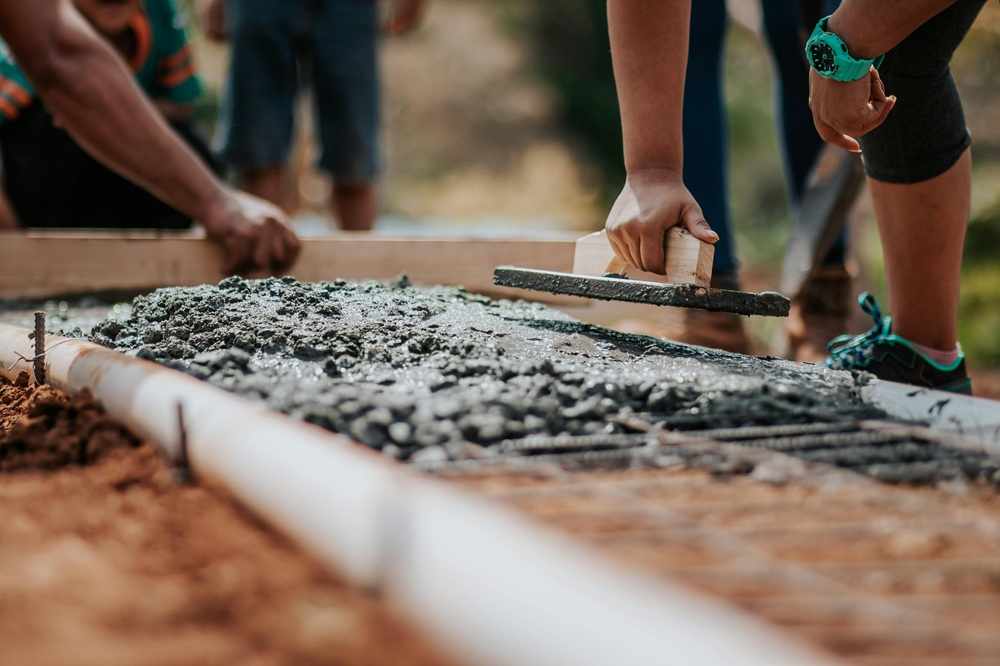
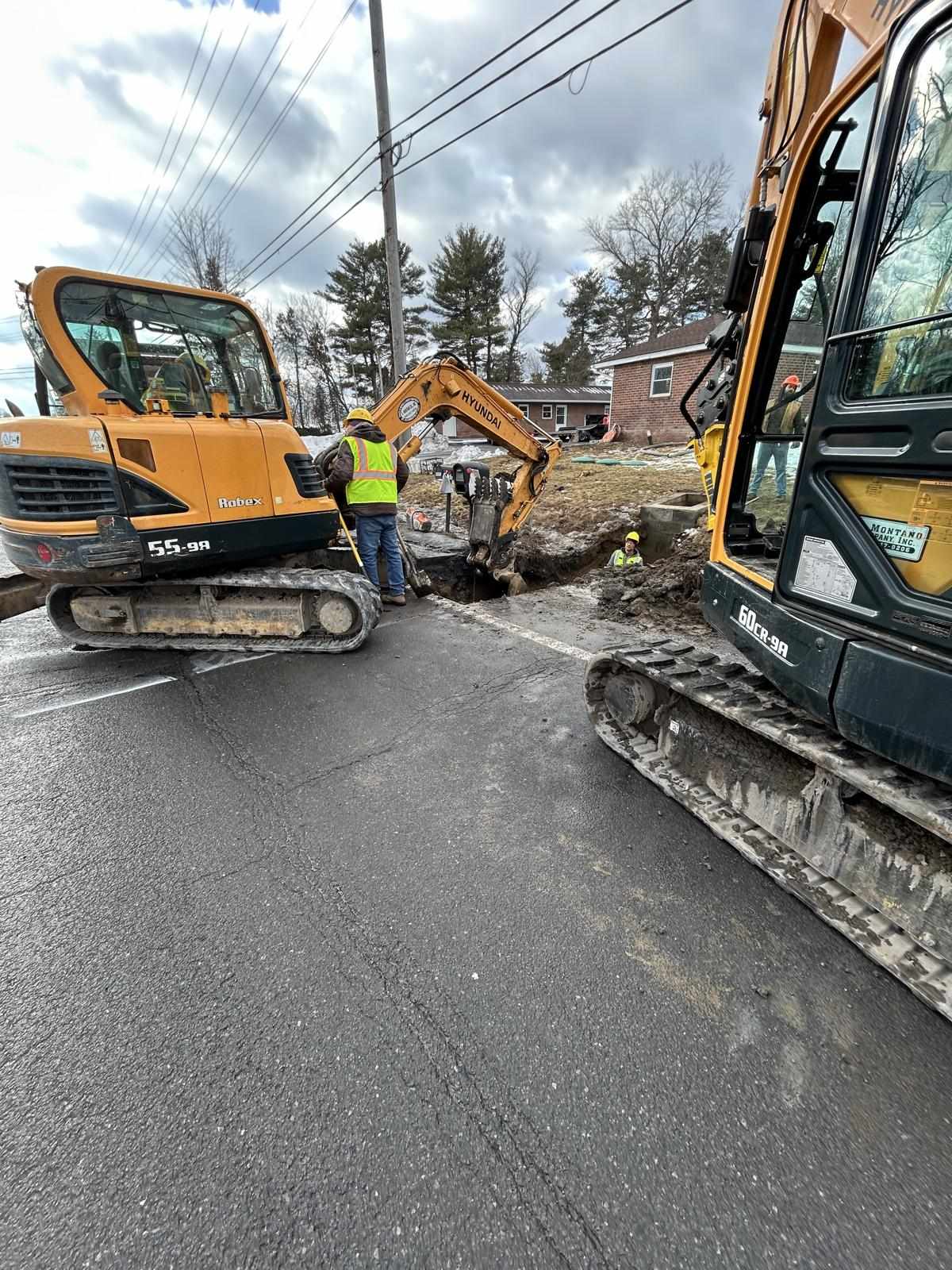
A poured foundation is created by excavating the site, installing footing forms, placing steel reinforcement bars (rebar), and then pouring high-strength concrete into wall forms. Once the concrete cures, the forms are removed, leaving a solid and seamless structure.
Unlike traditional concrete block foundations, poured foundations have fewer joints. This reduces the risk of water infiltration and structural weakness over time. The continuous design also improves the foundation’s ability to withstand soil movement and seasonal temperature changes.
Benefits of Poured Concrete Foundations
One of the main reasons poured foundations are widely used is their superior durability. Because the concrete forms a single structure, it offers greater strength compared to block-based systems.
Key advantages include:
Strong structural support for heavy loads
Improved resistance to moisture penetration
Better performance during freeze-thaw cycles
Long-lasting durability with minimal maintenance
These benefits make poured foundations particularly effective in regions where weather conditions can impact soil stability.
Importance of Proper Installation
Even the strongest materials require careful installation. Roger Hummer emphasizes that attention to detail during excavation, reinforcement placement, and concrete curing is essential for preventing cracks or settling issues.
Proper drainage and waterproofing are also critical components. Without these protections, moisture can affect the foundation and lead to long-term structural concerns. Professional planning ensures the foundation remains stable for decades.
Why Foundations Matter for Long-Term Home Value
A quality foundation does more than support a structure—it protects the investment made in the home. Buyers, inspectors, and contractors all recognize the importance of foundation integrity when evaluating a property.
Homes built on strong poured foundations often experience fewer structural repairs and maintain higher resale value over time. By using proven construction methods and quality materials, homeowners can ensure their property remains safe and durable.
In today’s construction environment, poured concrete foundations continue to be a trusted solution for building strong and reliable homes designed for long-term performance.




Write a comment ...