
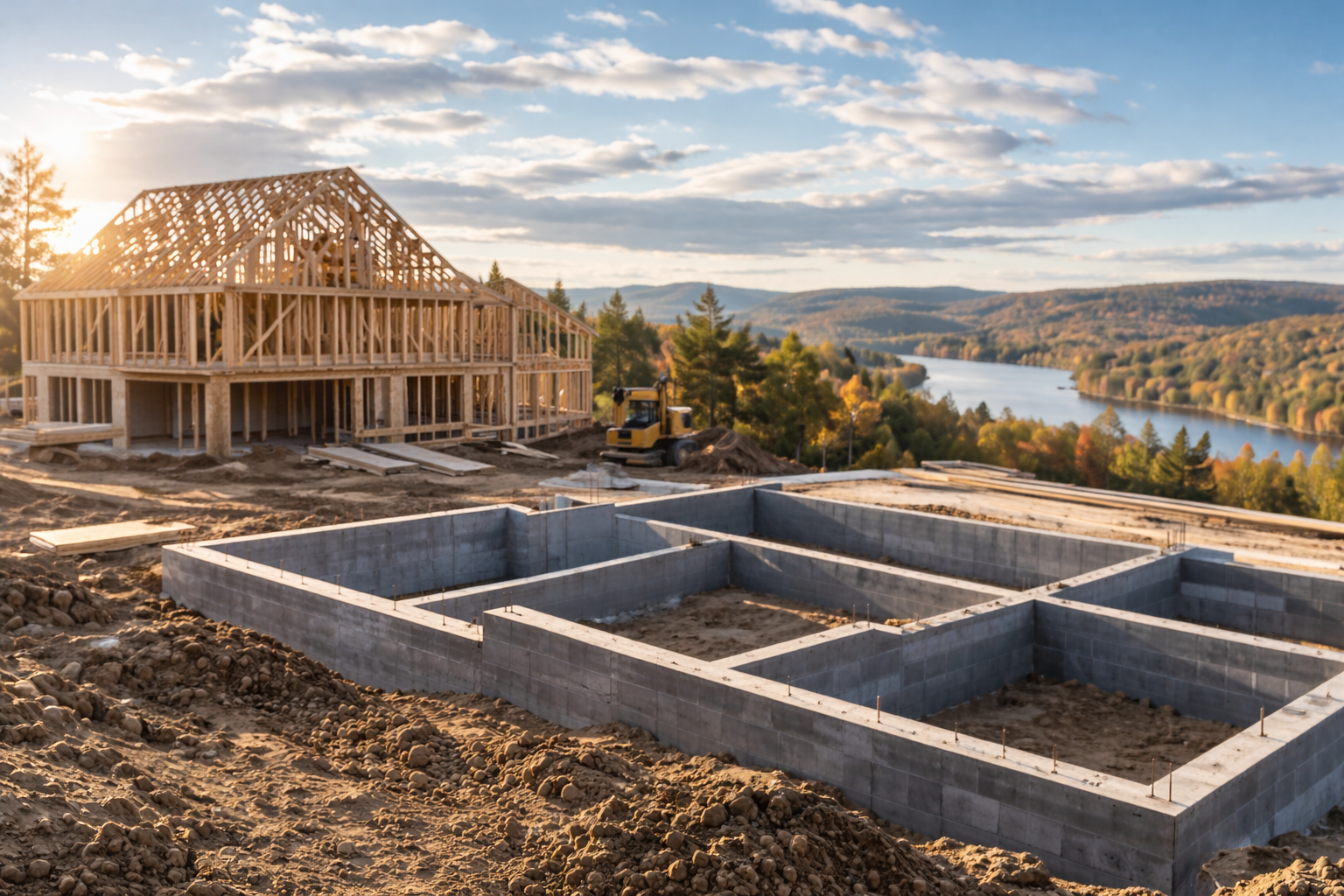
A strong foundation is the cornerstone of any durable home or commercial building. Even small errors in foundation construction can lead to costly repairs, structural damage, and long-term safety concerns. Roger Hummer, an experienced construction professional with decades of expertise in residential and commercial projects, shares his insights on the most common foundation mistakes and how to avoid them.
Skipping Proper Soil Testing
One of the biggest mistakes in foundation construction is neglecting soil testing. According to Roger Hummer, understanding the type and condition of the soil is critical before starting any foundation work. Soil that is unstable, clay-heavy, or prone to shifting can compromise structural integrity if not properly addressed. Comprehensive soil testing allows builders to choose the right foundation type and prevent issues like settling or cracking in the future.
Inadequate Drainage Systems
Poor drainage around a foundation can cause water accumulation, leading to erosion, cracking, and even flooding in basements or lower levels. Roger emphasizes the importance of designing an effective drainage system, including gutters, downspouts, and proper grading. “Water is one of the biggest enemies of a foundation,” he explains. “Ensuring proper drainage protects your building and prolongs the life of your structure.”
Using Substandard Materials
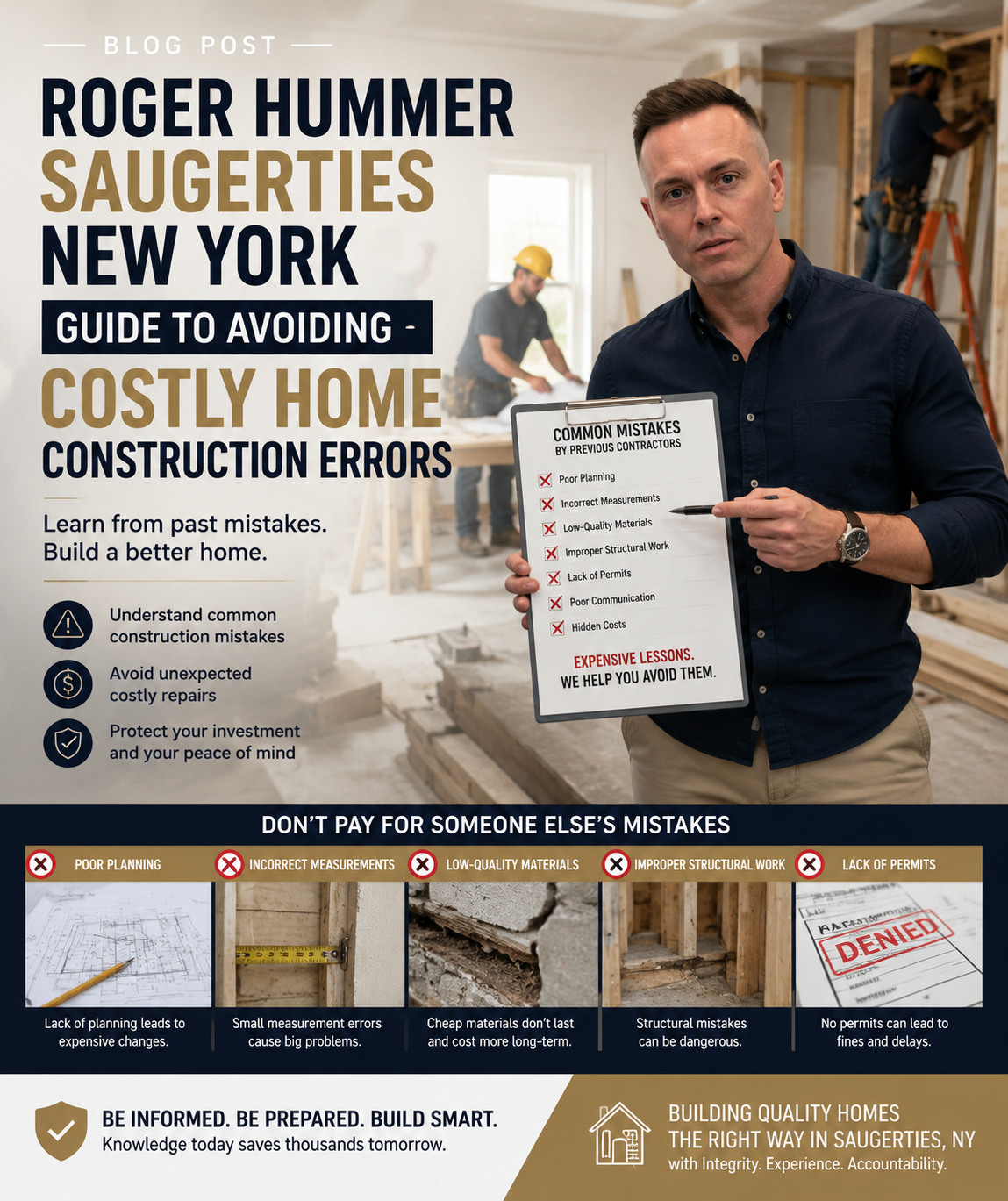
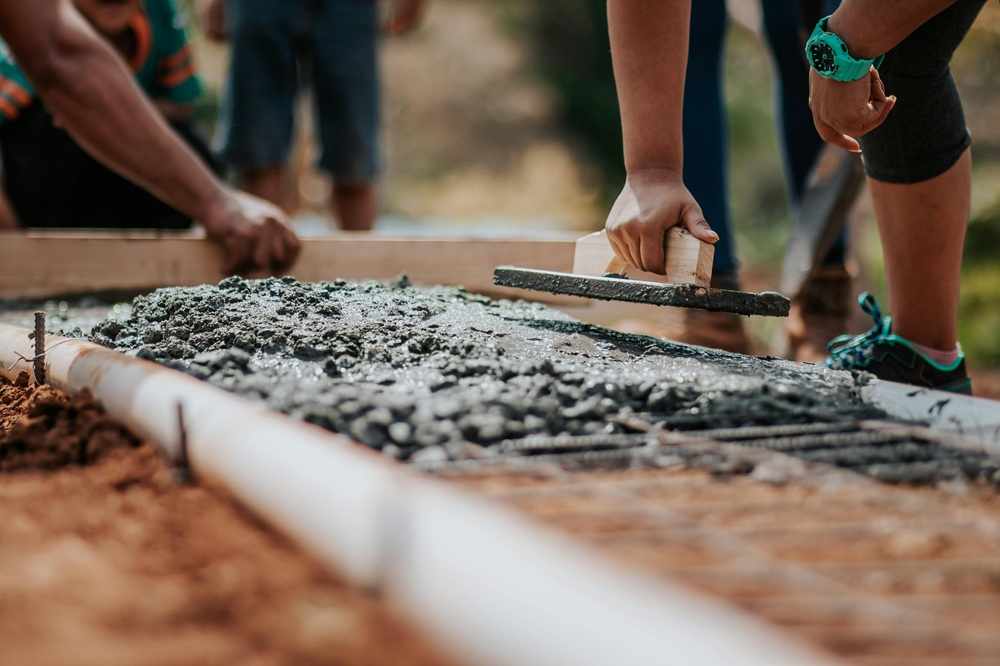
Cutting corners on materials is another common mistake first-time builders make. Roger Hummer advises investing in high-quality concrete, reinforcements, and waterproofing products. Using substandard materials may save money initially, but it often results in costly repairs and structural problems down the road. High-quality materials are essential for a foundation that is both durable and long-lasting.
Poor Planning and Design
A foundation must be designed to support the structure it holds. Mistakes in planning, such as underestimating load-bearing requirements or ignoring local building codes, can lead to uneven settling, cracks, or even partial collapse. Roger Hummer stresses working with experienced architects and engineers to ensure the foundation is designed correctly for the specific project and site conditions.
Ignoring Regular Inspections
Even after construction begins, skipping inspections can result in unnoticed mistakes that affect the foundation’s stability. Roger recommends regular inspections at key stages, from pouring the concrete to backfilling and waterproofing. Timely inspections allow for early detection of issues, ensuring they are corrected before they become major problems.
Failing to Consider Long-Term Soil Movement
Over time, soil naturally shifts and settles, which can affect a foundation if it isn’t properly accounted for. Roger Hummer advises incorporating expansion joints, deep footings, or pilings where necessary to accommodate long-term soil movement. These measures help maintain structural integrity and prevent expensive repairs in the future.
Conclusion
A strong, well-planned foundation is critical for any building’s longevity, safety, and value. By avoiding common mistakes such as skipping soil tests, neglecting drainage, using substandard materials, and ignoring inspections, homeowners and builders can ensure their structures remain stable for decades. Roger Hummer’s expertise highlights the importance of careful planning, quality materials, and proactive construction practices to create foundations built to last.
For anyone planning a construction project, taking the time to understand and avoid these common foundation errors can save significant costs and stress while ensuring a safe, durable, and long-lasting building.








Write a comment ...