
A home is expected to do much more than provide shelter. It serves as the center of daily life, a place where families grow, routines develop, and long-term memories are created. While many people focus on design trends and visual appeal, true quality in residential construction comes from something deeper: strength built into every part of the home. In Saugerties, New York, Roger Hummer believes that building homes designed for everyday strength means creating structures that can handle real-life demands while maintaining comfort, reliability, and long-term value.
Strength in home construction is not only about heavy materials or strong walls. It is about designing and building homes that perform consistently over time. From foundations and framing to layout choices and energy efficiency, every detail contributes to a home that can support everyday living for years to come.
Strong Homes Begin with a Solid Foundation
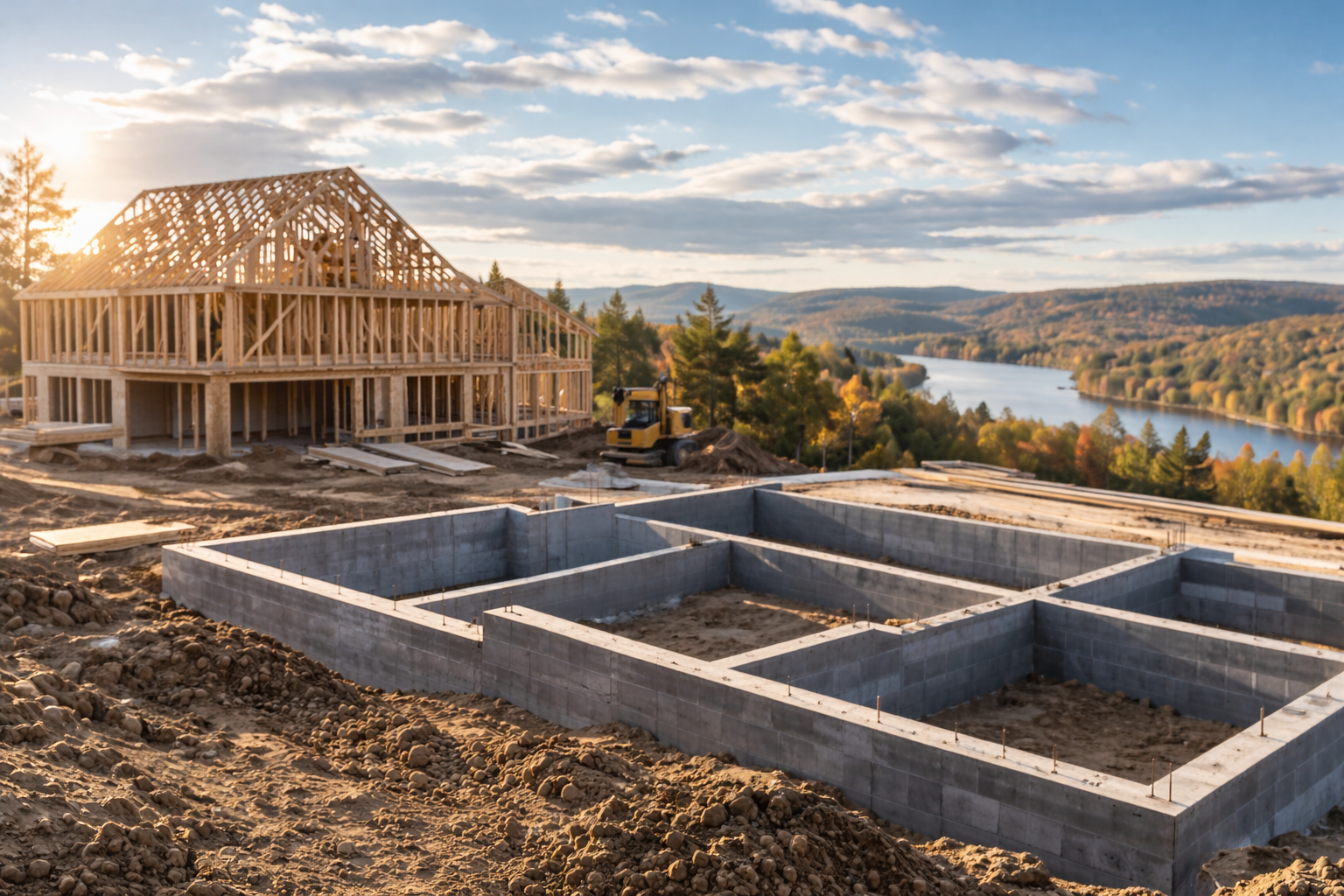
The foundation is one of the most important components of any house. It supports the entire structure and plays a critical role in long-term performance.
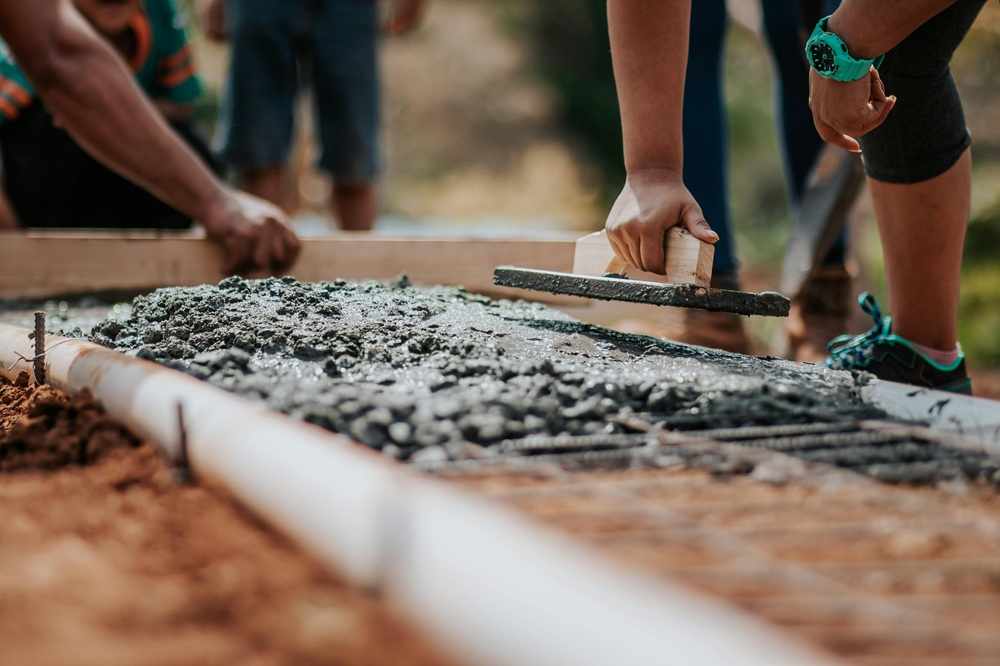
Homes designed for everyday strength begin with careful site preparation, proper grading, and durable foundation systems. In regions like Saugerties, New York, changing weather conditions and seasonal temperature shifts can affect the ground beneath residential properties. Building with these environmental factors in mind helps reduce the risk of settling, moisture problems, and structural movement.
Roger Hummer emphasizes that strong foundations are not simply a construction requirement—they are an investment in the long-term stability of the home.
Building with Materials That Last
Durability starts with material selection. Homes experience daily wear and exposure to environmental conditions throughout their lifespan. Choosing quality materials helps ensure that structures continue performing effectively over time.
Modern homes designed for long-term strength often include:
Reinforced structural components
Durable roofing systems
High-performance insulation
Energy-efficient windows and doors
Moisture-resistant barriers
Strong framing materials
These building elements help improve structural reliability while reducing maintenance requirements.
Roger Hummer believes that homeowners benefit most when builders focus on lasting performance instead of temporary savings. Reliable materials create stronger homes and support long-term value.
Everyday Strength Includes Energy Efficiency
Modern construction must consider efficiency as part of overall strength. A home that performs well every day should also maintain comfortable indoor conditions while reducing energy use.
Energy-efficient construction techniques may include improved insulation systems, sealed air barriers, advanced ventilation, and efficient heating and cooling equipment. These features help create stable indoor environments while reducing stress on home systems.
Roger Hummer understands that everyday strength means building homes that remain comfortable in changing weather conditions while operating efficiently throughout the year.
Practical Design Supports Daily Life
Strength in construction extends beyond structural components. The way a home functions also affects its long-term value and usability.
Homes built for everyday living often feature practical layouts, natural lighting, efficient storage areas, and flexible spaces that adapt to changing needs. Families use homes differently over time, and a well-designed layout can support those changes without sacrificing comfort.
Roger Hummer focuses on creating homes that feel natural and functional rather than designing spaces around short-term trends. Strong homes should support the way people actually live.
Attention to Detail Improves Reliability
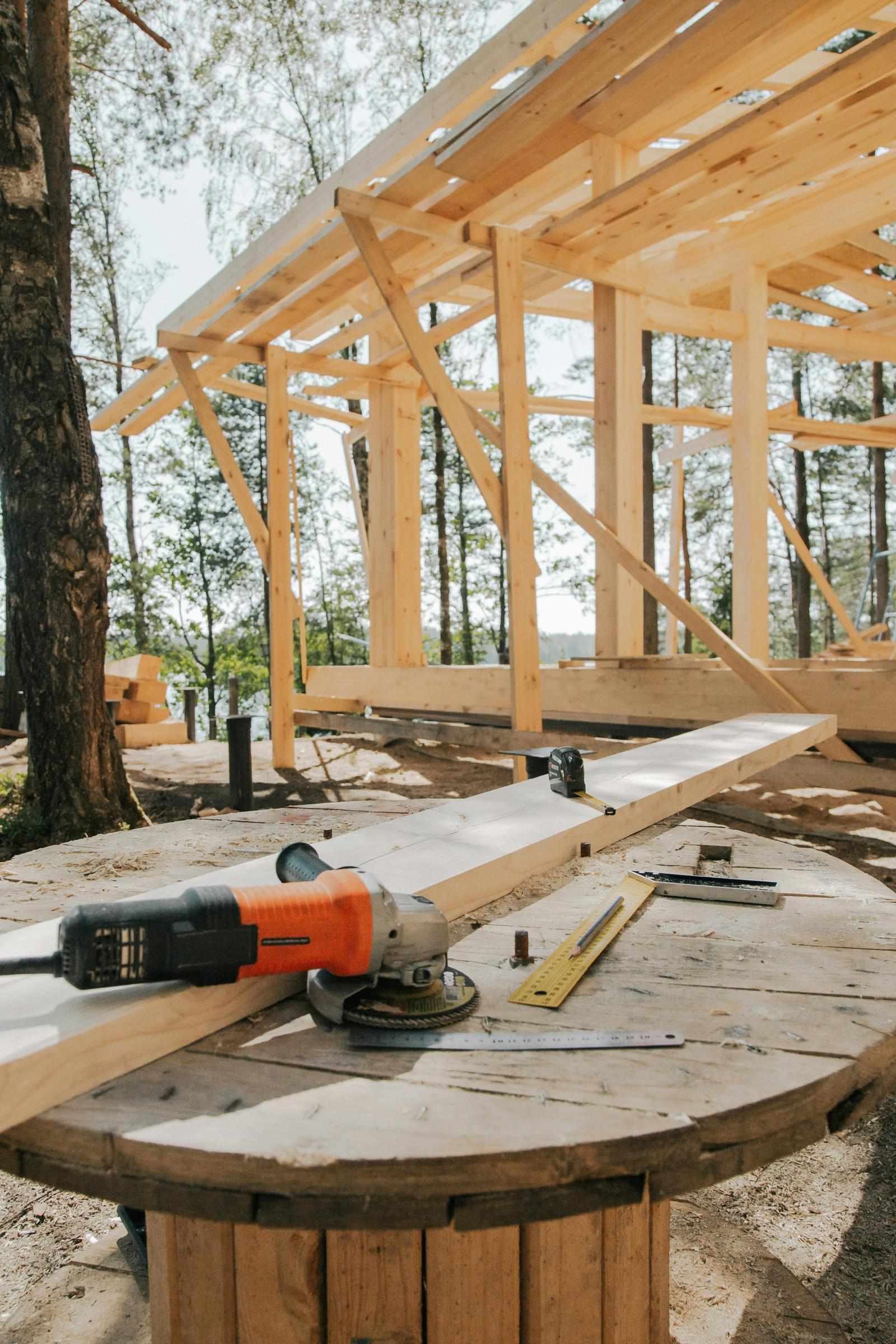
Many of the factors that create a strong home are found in small construction details. Accurate framing, proper sealing, secure structural connections, and careful installation practices all contribute to performance.
Even minor construction mistakes can eventually create larger problems involving moisture, efficiency, or structural wear. Builders who prioritize details often produce homes that remain dependable over many years.
Roger Hummer believes that quality construction is built through precision and consistency because every step of the process affects the final result.
Long-Term Thinking Creates Better Homes
Homes designed for everyday strength are built with the future in mind. Instead of focusing only on immediate results, long-term construction planning considers durability, maintenance, and homeowner needs years down the road.
Reliable homes often require fewer major repairs, maintain stronger property value, and continue supporting comfortable living experiences through different stages of life.
Roger Hummer approaches construction with the understanding that homeowners are making long-term investments, not temporary purchases.
Conclusion
Building homes designed for everyday strength requires more than attractive designs and modern finishes. It involves strong foundations, durable materials, energy efficiency, practical layouts, and careful craftsmanship.
Roger Hummer’s approach to residential construction in Saugerties, New York reflects the importance of creating homes that continue performing well through everyday use and changing conditions. A strong home is more than a structure—it is a dependable place designed to provide comfort, reliability, and value for generations.


Write a comment ...