
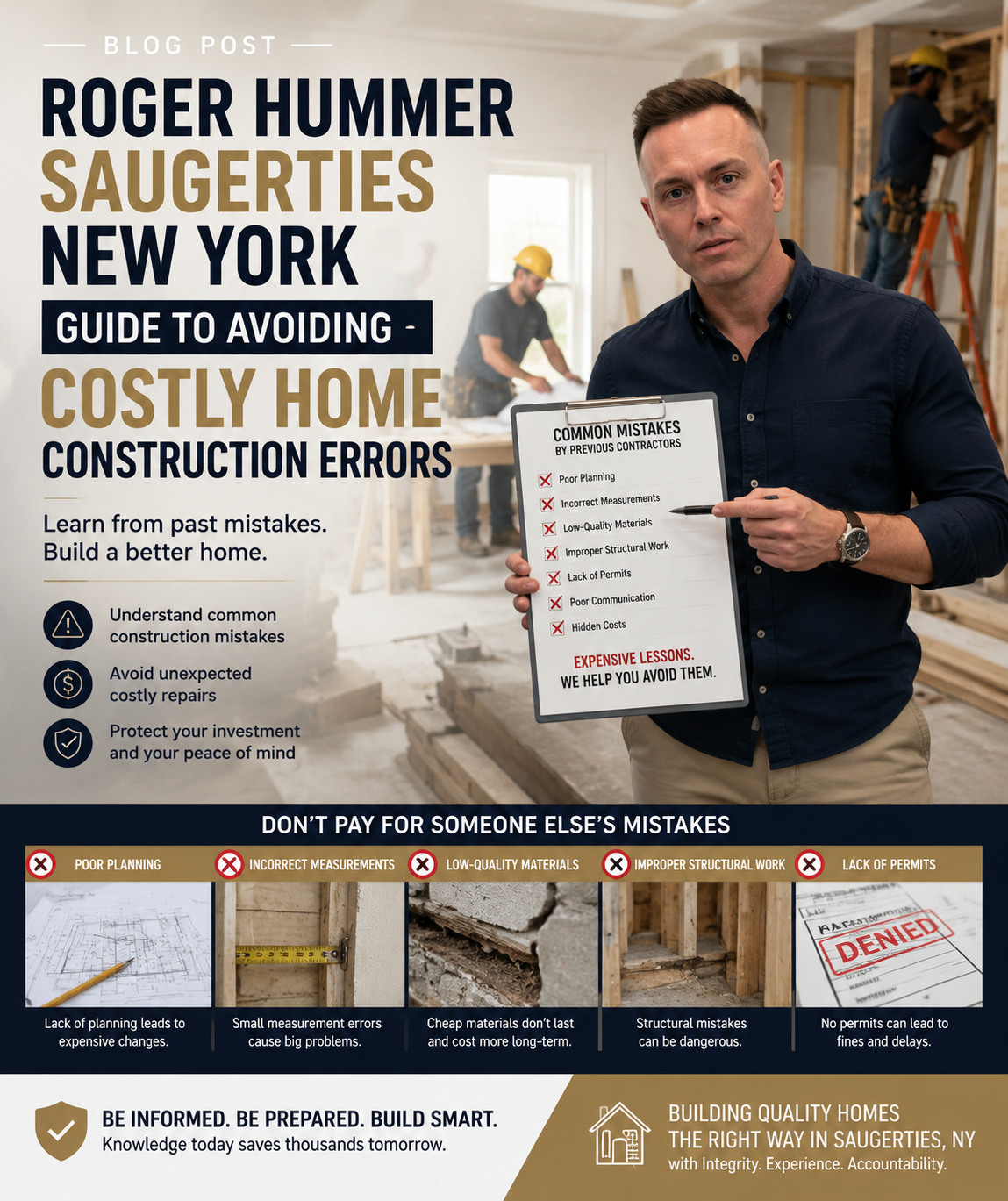
Building a home is one of the biggest investments most people will ever make. While design choices and finishes often get the most attention, the long-term success of a home depends on many factors that occur throughout the construction process. Roger Hummer of Saugerties, New York, believes homeowners who understand the basics of quality construction are better prepared to make informed decisions and protect their investment.
Whether you are planning a new build or preparing for a major renovation, this practical construction checklist highlights important areas that contribute to a strong, durable, and functional home.
1. Start with Thorough Site Evaluation
Before construction begins, take time to understand the property itself. Every building site has unique characteristics that can affect the project's success.
Key considerations include:
Soil conditions
Drainage patterns
Property slope
Environmental exposure
Water runoff management
A proper site evaluation helps identify potential concerns before they become costly problems later.
2. Prioritize a Strong Foundation
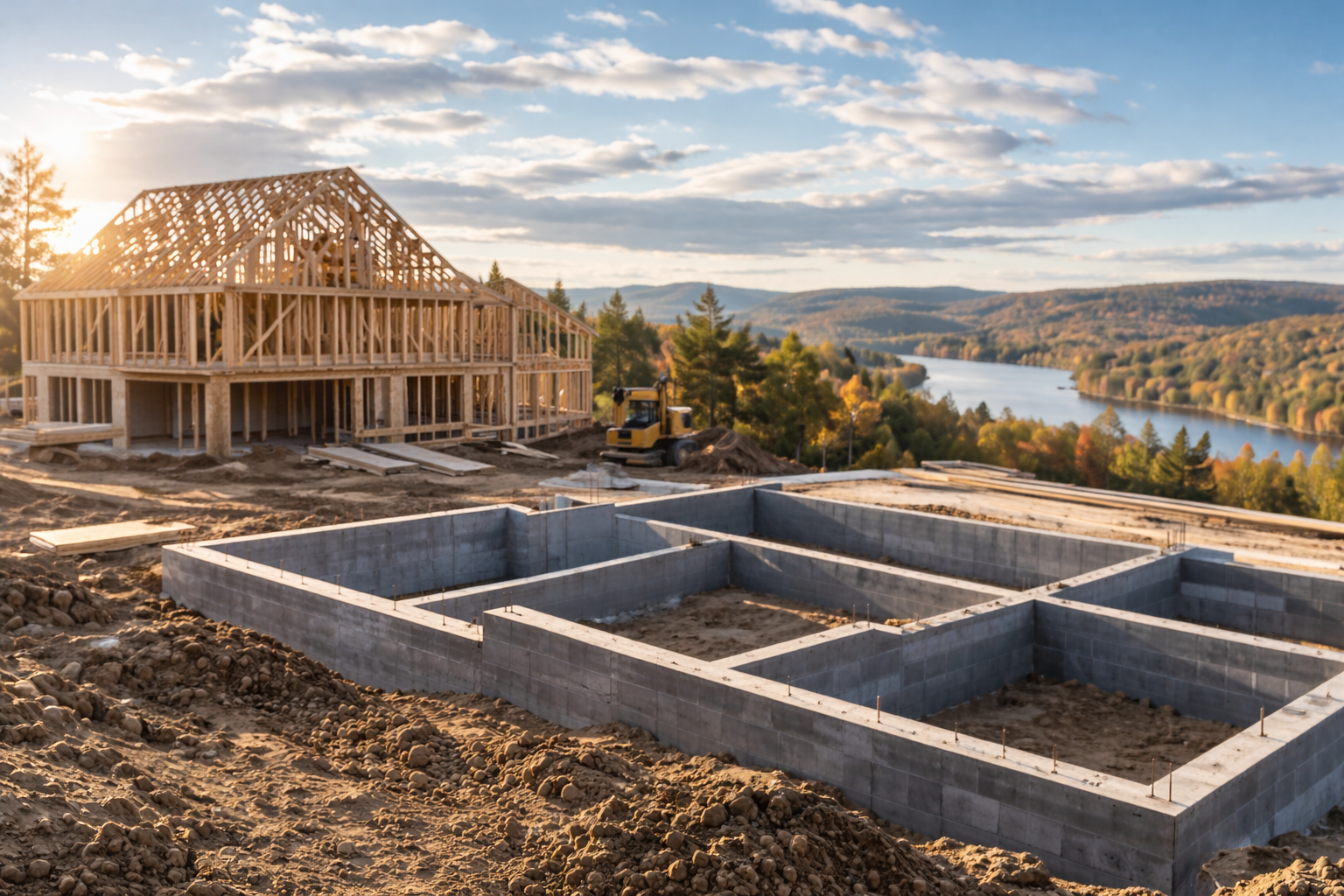
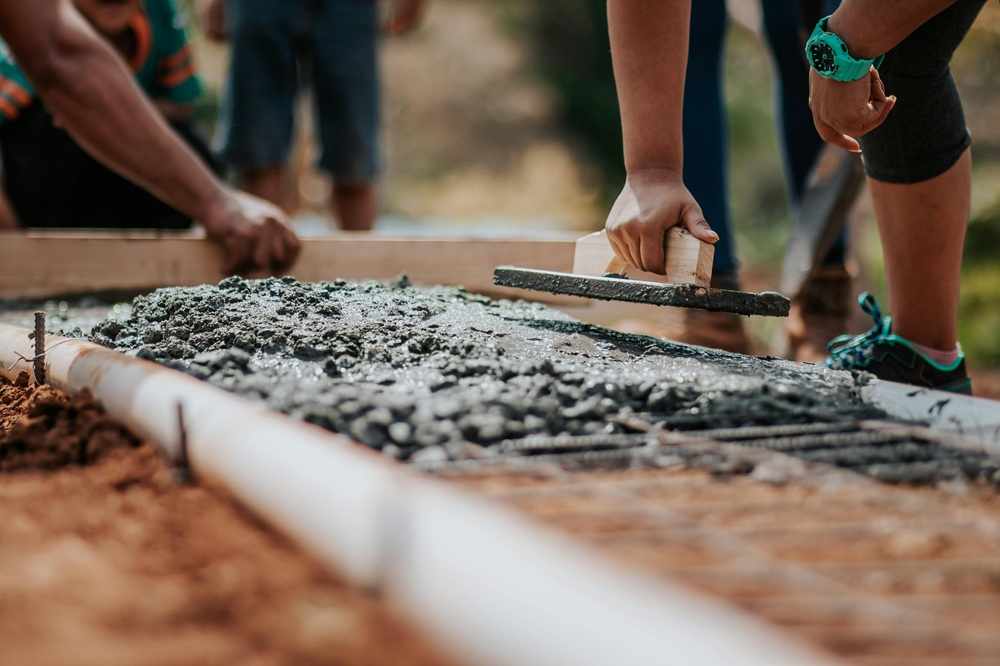
A home's foundation supports everything above it. If this stage is overlooked or rushed, future structural issues may develop.
Homeowners should ensure:
Proper excavation is completed
Foundation measurements are accurate
Reinforcement requirements are followed
Drainage systems are included
Moisture protection is addressed
A strong foundation provides stability and long-term structural performance.
3. Pay Attention to Framing Quality
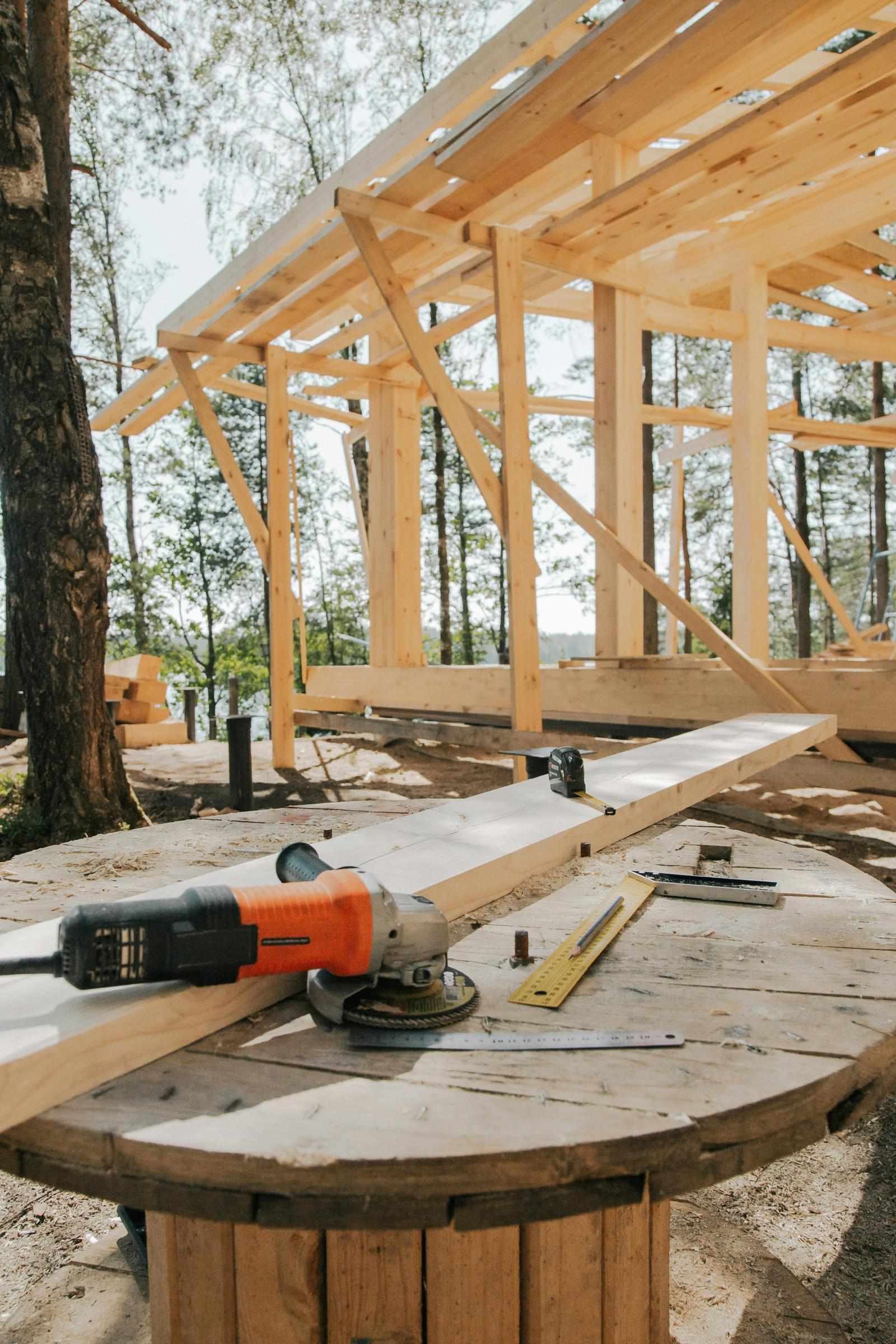
Framing creates the structural skeleton of the home. Precision during this stage affects everything from wall alignment to roof performance.
Important framing checkpoints include:
Straight wall construction
Proper support placement
Accurate measurements
Secure structural connections
Consistent workmanship
Well-executed framing contributes to a stronger and more reliable home.
4. Choose Materials for Long-Term Performance
Many homeowners focus on immediate costs, but long-term value often comes from selecting durable materials.
Areas worth careful consideration include:
Roofing systems
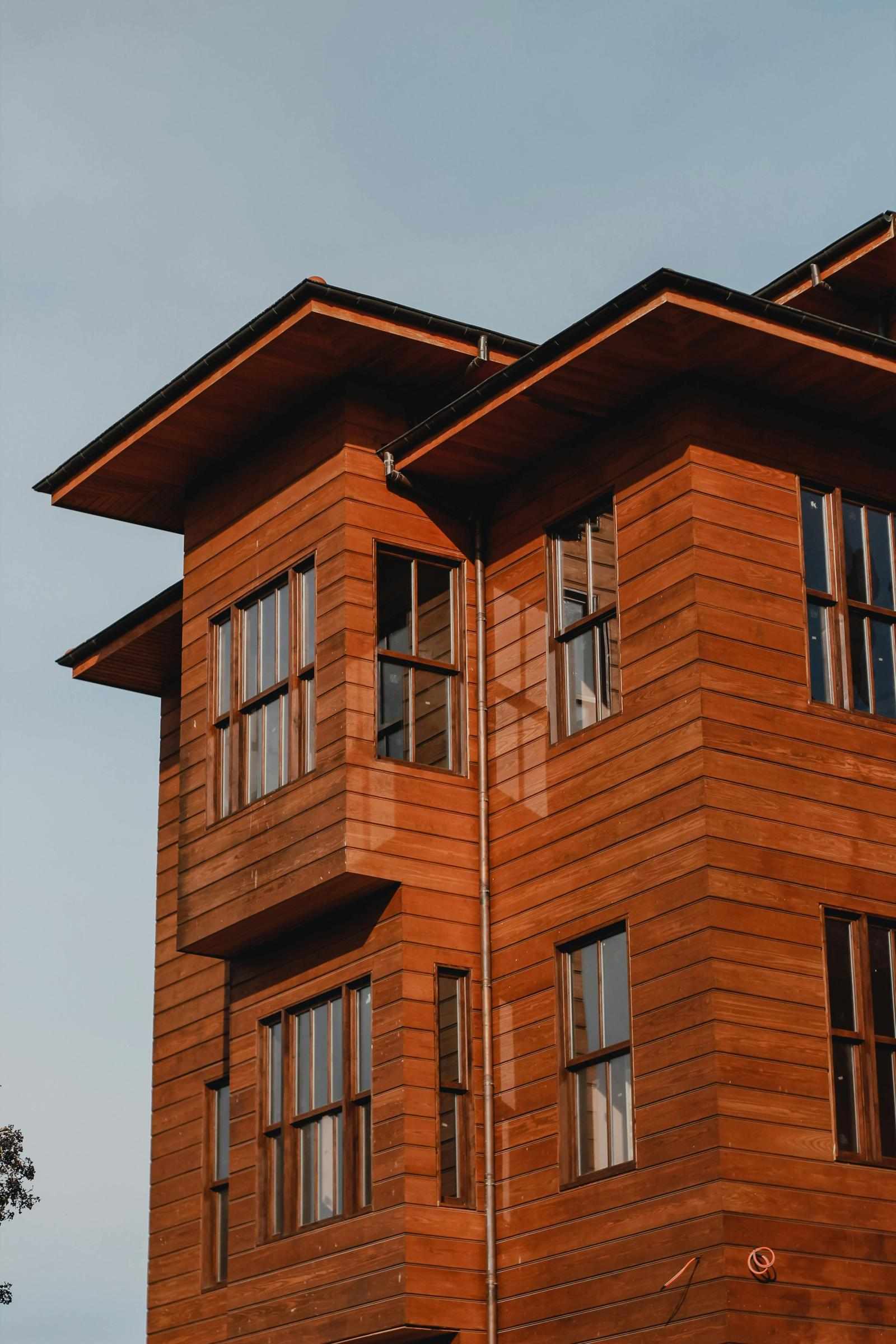
Exterior siding
Structural lumber
Insulation materials
Windows and doors
Durable products can help reduce maintenance and improve overall performance over time.
5. Don't Overlook Moisture Protection
Water is one of the most common causes of long-term home damage. Effective moisture management should be part of every construction plan.
Essential components include:
Proper grading around the home
Foundation waterproofing
Drainage systems
Ventilation solutions
Quality sealing around openings
Preventing moisture issues early often saves homeowners significant expenses later.
6. Focus on Energy Efficiency
Modern homeowners increasingly value homes that perform efficiently throughout the year.
Construction features that support efficiency include:
Quality insulation
Air sealing
Proper ventilation
Energy-efficient windows
Thoughtful building design
These elements can improve comfort while supporting long-term operating efficiency.
7. Think About Daily Functionality
A home should support the way people actually live. Practical design often provides more lasting value than temporary trends.
Questions homeowners should ask include:
Is there enough storage?
Do living spaces flow naturally?
Are rooms positioned conveniently?
Can the layout adapt to future needs?
Is maintenance manageable?
A functional home often remains enjoyable for years after construction is complete.
8. Monitor Workmanship Throughout the Project
Even the best materials depend on proper installation. Homeowners should pay attention to construction quality at every stage.
Look for:
Attention to detail
Consistent craftsmanship
Accurate measurements
Clean installation practices
Proper completion of each phase before moving forward
Strong workmanship supports long-term durability.
9. Plan for Future Maintenance
Homes built with maintenance in mind are often easier to care for over time.
Consider:
Accessible mechanical systems
Durable exterior materials
Practical landscaping
Easy-to-maintain finishes
Long-lasting construction components
Planning ahead can help preserve the home's value and condition.
10. Remember That Quality Is a Process
One of the most important lessons inspired by Roger Hummer’s approach is that quality construction is not the result of a single decision. It develops through careful planning, preparation, material selection, and workmanship from beginning to end.
Final Thoughts
Roger Hummer of Saugerties, New York, emphasizes that successful construction starts with strong fundamentals. Homeowners who pay attention to site preparation, structural integrity, material quality, moisture protection, and practical design are more likely to enjoy homes that remain comfortable, dependable, and durable for many years.




Write a comment ...