
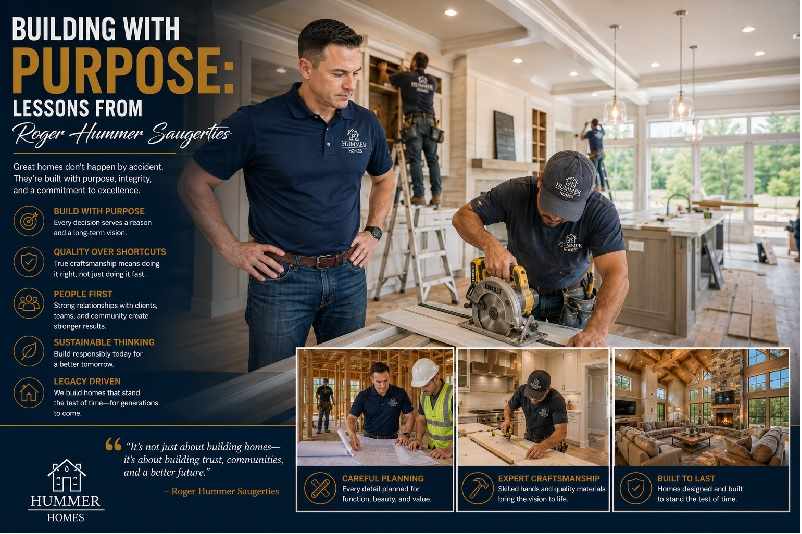
A well-built home is more than just a place to live. It provides comfort, security, and long-term value for the people who call it home. In today's construction industry, homeowners are looking for houses that combine quality craftsmanship with practical design and lasting durability. The building insights associated with Roger Hummer of Saugerties, New York, highlight the importance of focusing on the fundamentals that make a home strong, reliable, and enjoyable for years to come.
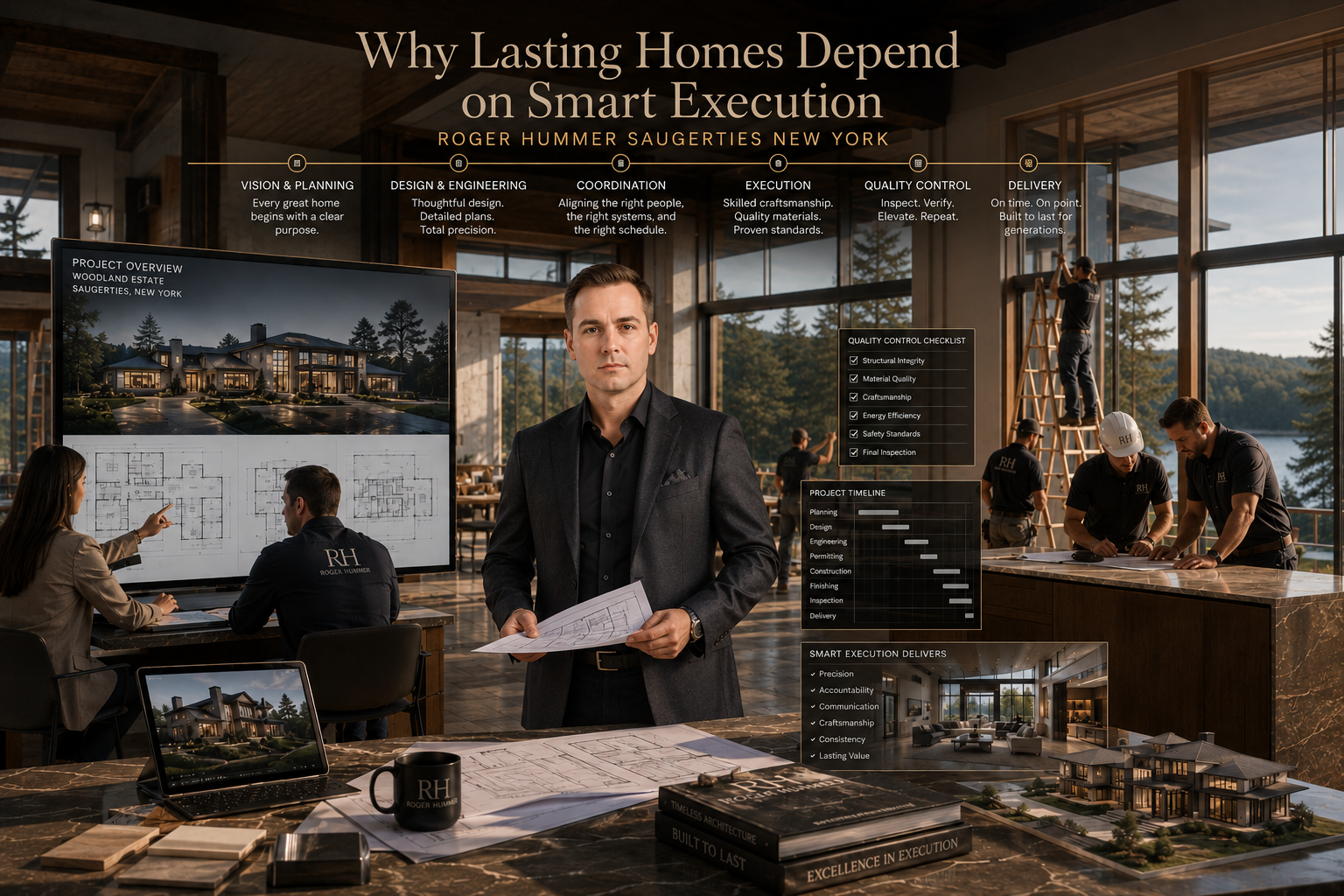
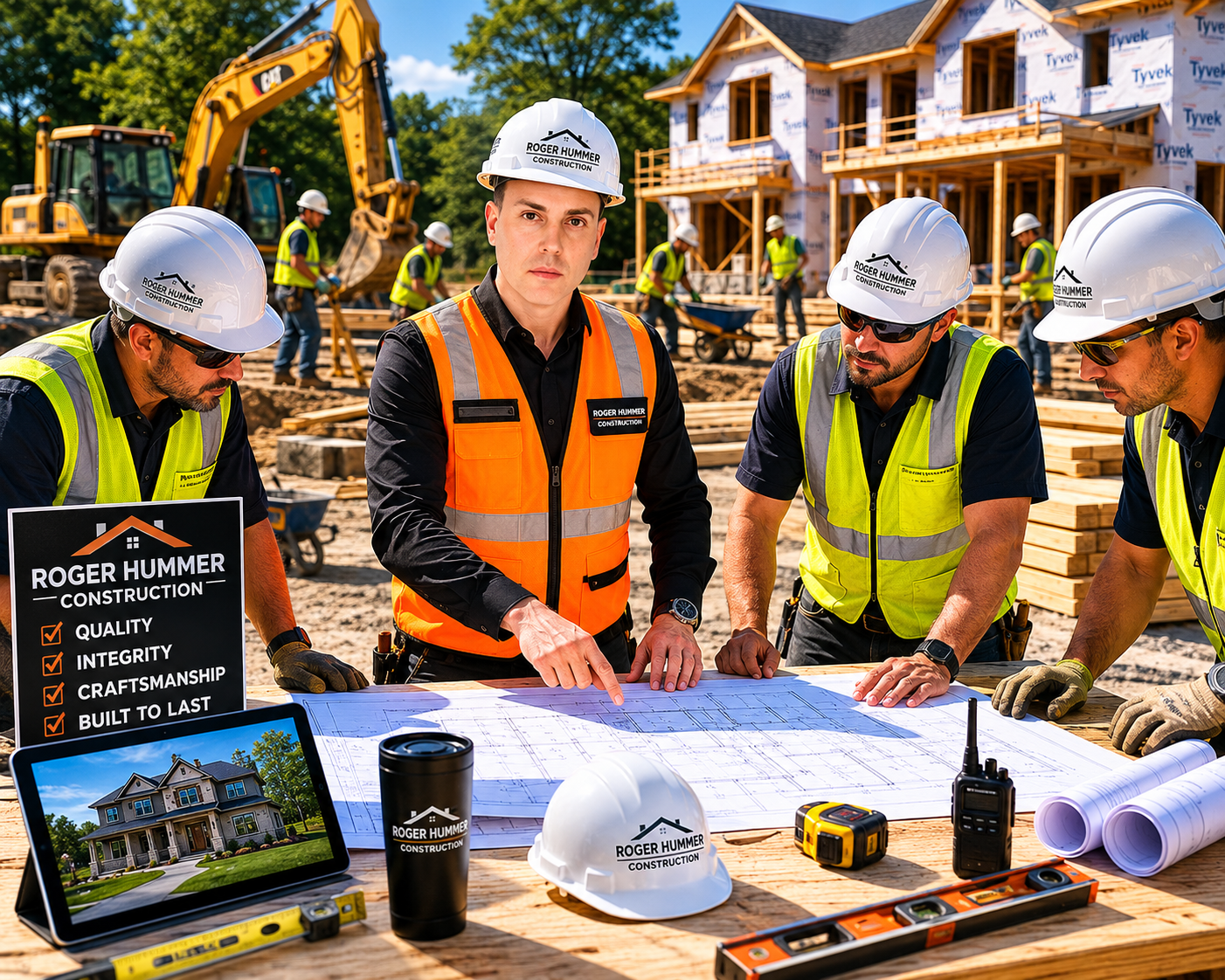
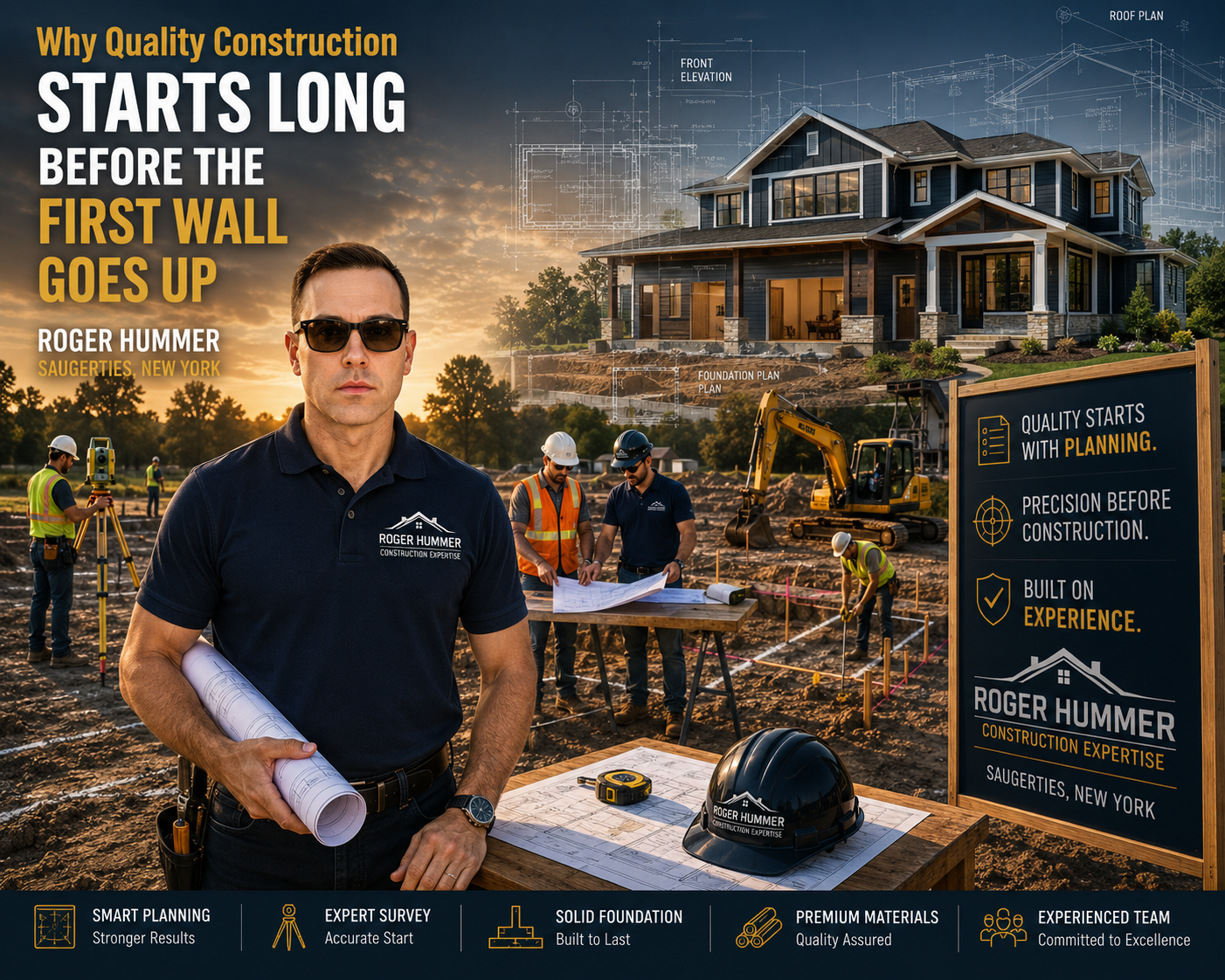
One of the most important aspects of building a better home is starting with proper planning. Every successful construction project begins long before the first stage of building. Site evaluation, design preparation, and understanding the unique characteristics of the property all play a role in the final outcome. Careful planning helps builders avoid potential issues and ensures that the home is designed to meet both current and future needs.
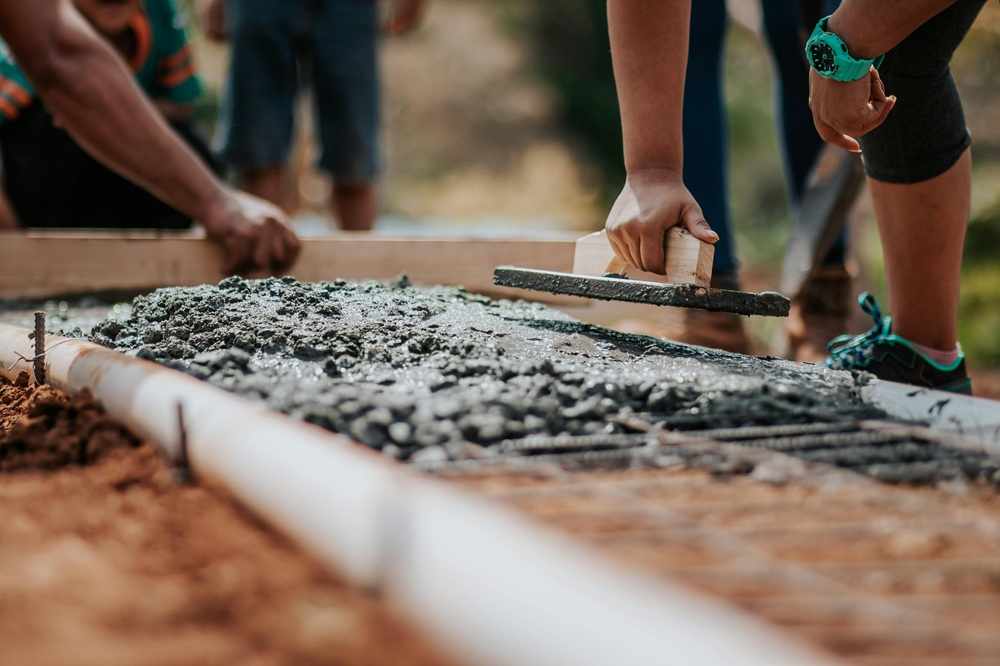
Another key factor is the quality of materials used throughout the construction process. Strong homes depend on dependable materials that can withstand daily use and changing weather conditions. From the foundation and framing to roofing and insulation, each component contributes to the home's overall performance. Choosing quality materials may require a greater investment initially, but it often leads to fewer repairs and lower maintenance costs over time.
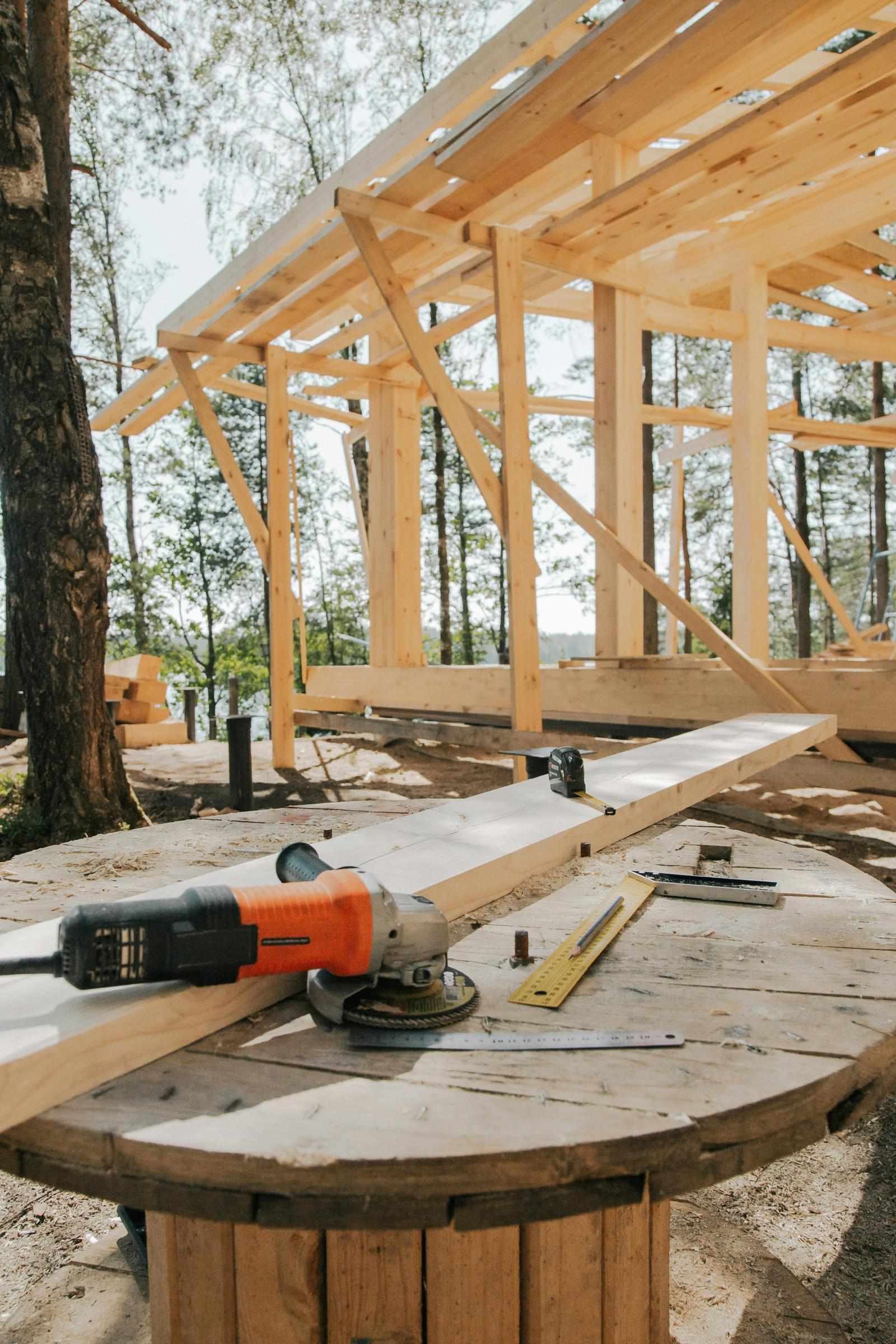
Roger Hummer's approach to home construction also emphasizes the value of craftsmanship. Skilled workmanship is essential in every phase of a project. Accurate measurements, proper installation techniques, and attention to detail help ensure that all parts of the home work together effectively. Even small construction details can have a significant impact on the durability and functionality of a house.
Modern homeowners also expect homes to be energy efficient. Building better homes means incorporating features that improve comfort while reducing energy consumption. Proper insulation, energy-efficient windows, and effective ventilation systems help maintain consistent indoor temperatures throughout the year. These features not only improve living conditions but can also lower monthly utility expenses.
Functionality is another important element of a successful home. A beautiful house should also support the everyday lifestyle of its residents. Practical floor plans, sufficient storage space, natural lighting, and flexible living areas make a home more comfortable and useful. Thoughtful design helps ensure that homeowners can enjoy their space for many years without major modifications.
Durability remains a central part of quality home construction. Weather, time, and regular use place constant demands on a structure. Homes that are built with long-term performance in mind are better prepared to handle these challenges. Proper drainage systems, strong roofing materials, and reliable structural components all contribute to a home's ability to stand the test of time.
Communication and trust also play a valuable role in the building process. Homeowners want to feel informed and confident throughout construction. Clear communication regarding project timelines, expectations, and progress helps create a positive experience and builds lasting relationships between builders and clients.
The insights associated with Roger Hummer of Saugerties reflect a practical approach to home construction that focuses on quality, reliability, and long-term value. Building a better home is not about following temporary trends or shortcuts. It is about making thoughtful decisions that contribute to strength, efficiency, and homeowner satisfaction.
As the housing industry continues to evolve, the principles of careful planning, quality craftsmanship, and durable construction remain as important as ever. By focusing on these fundamentals, builders can create homes that provide comfort, security, and lasting value for generations. A truly successful home is one that continues to serve its owners well long after construction is complete.


Write a comment ...