Roger Hummer Shares His Thoughts on Creating Homes That Stand Strong
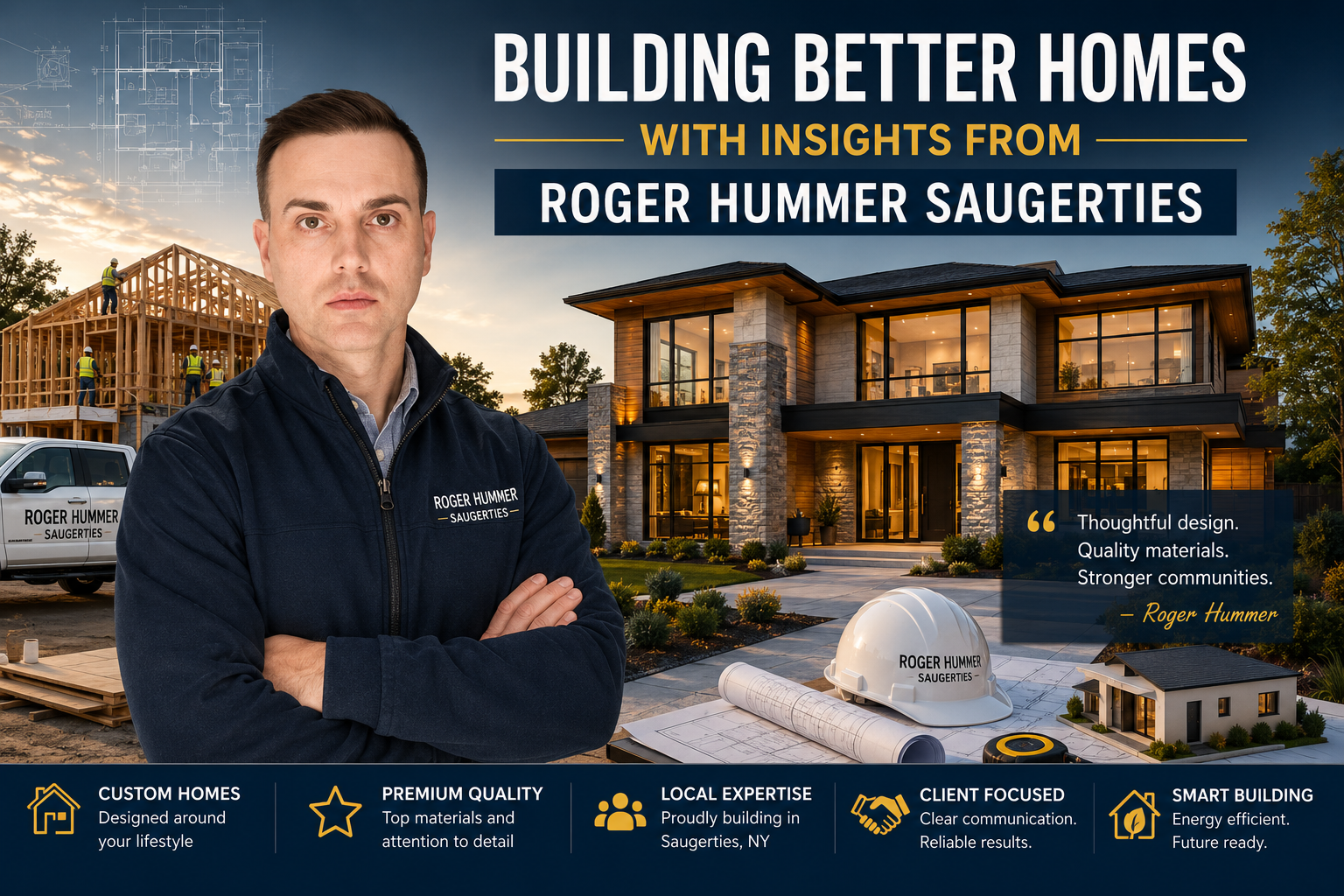
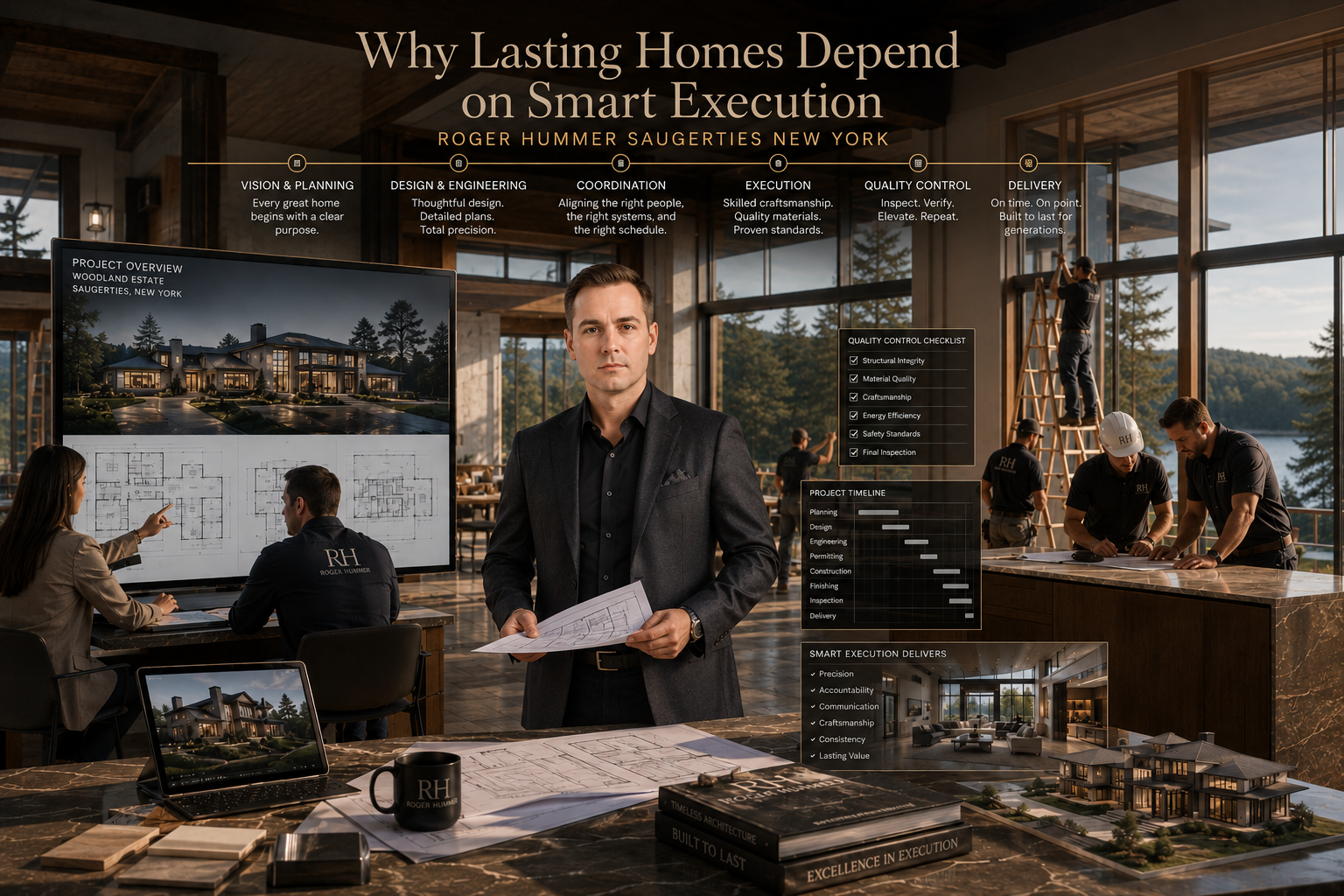
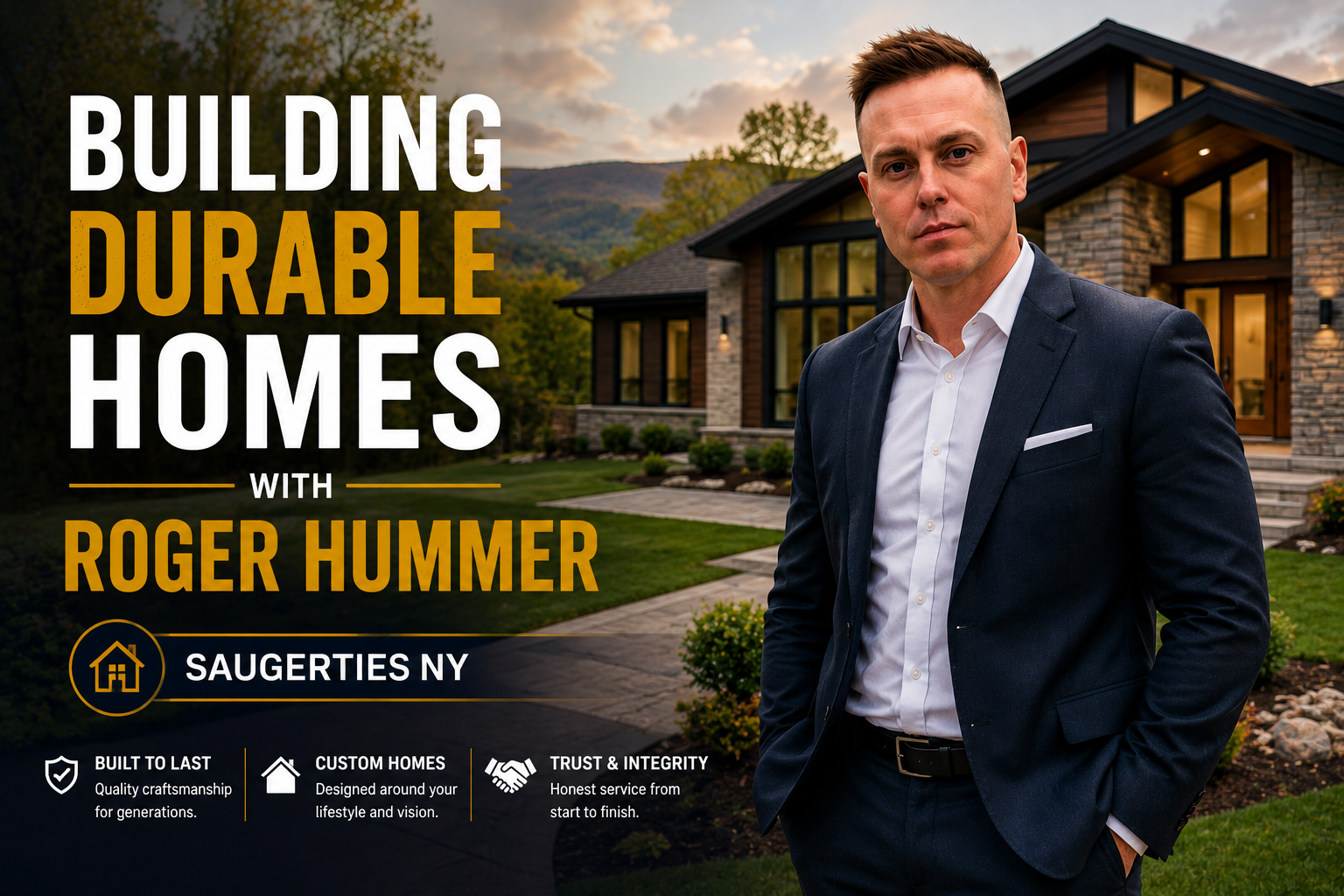
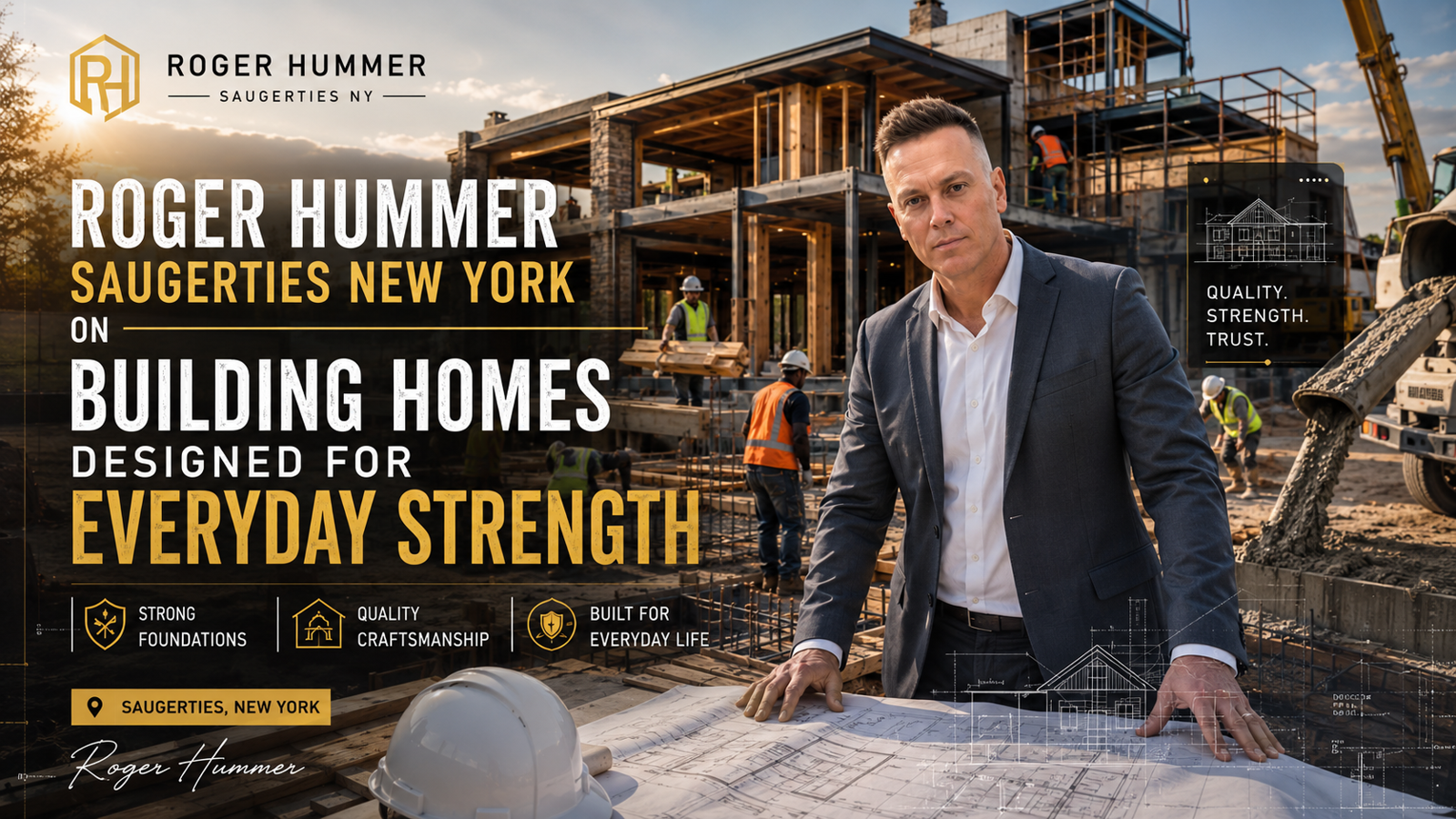
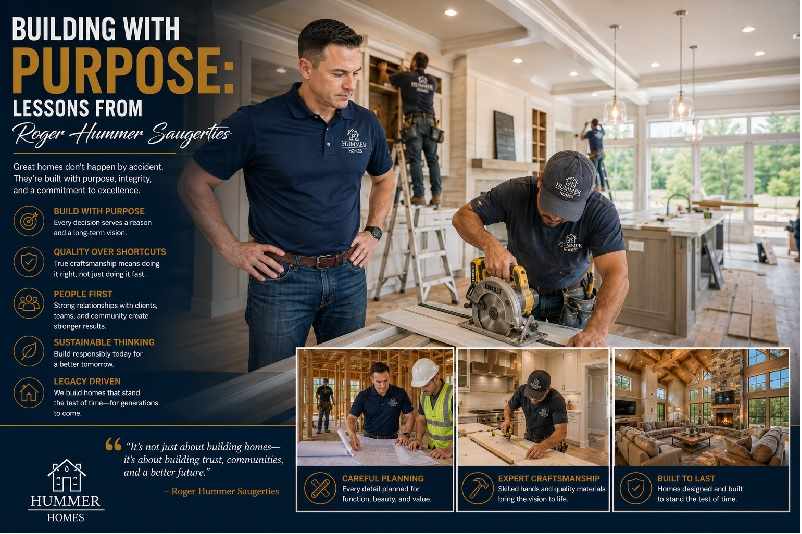
Creating a home that stands strong for generations is not just about construction—it’s about commitment, foresight, and doing the fundamentals right. According to Roger Hummer, the secret to durable homes lies in a combination of smart planning, quality execution, and long-term thinking. His approach offers valuable lessons for anyone looking to build a home that lasts.
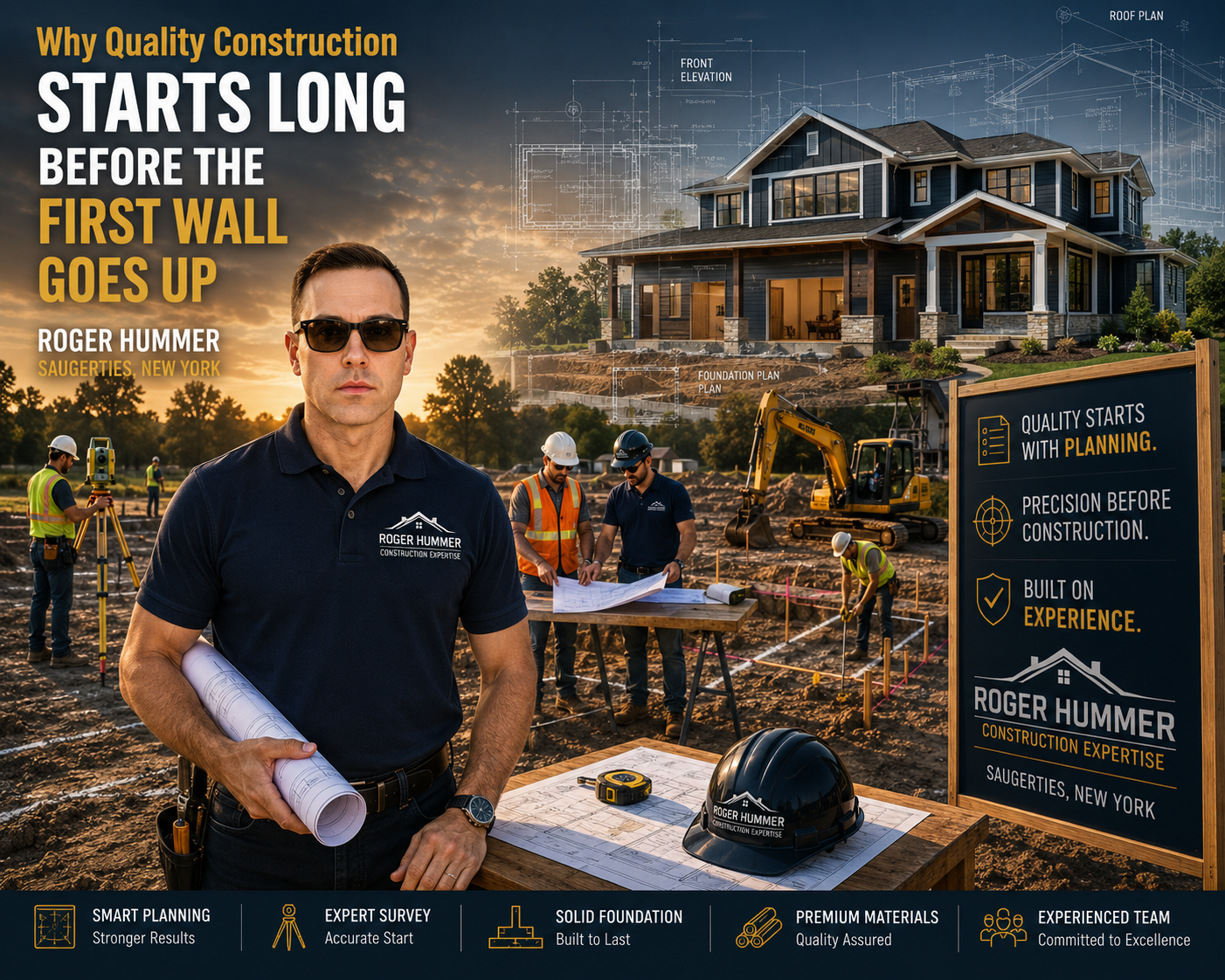
Roger Hummer believes that strength begins at the foundation—both literally and in the planning phase. Before construction starts, it’s essential to have a clear vision, a practical design, and a realistic budget. Many homeowners rush into building without fully understanding their needs, which can lead to costly changes later. A well-prepared plan ensures that every step of the process aligns with the end goal, reducing stress and improving outcomes.
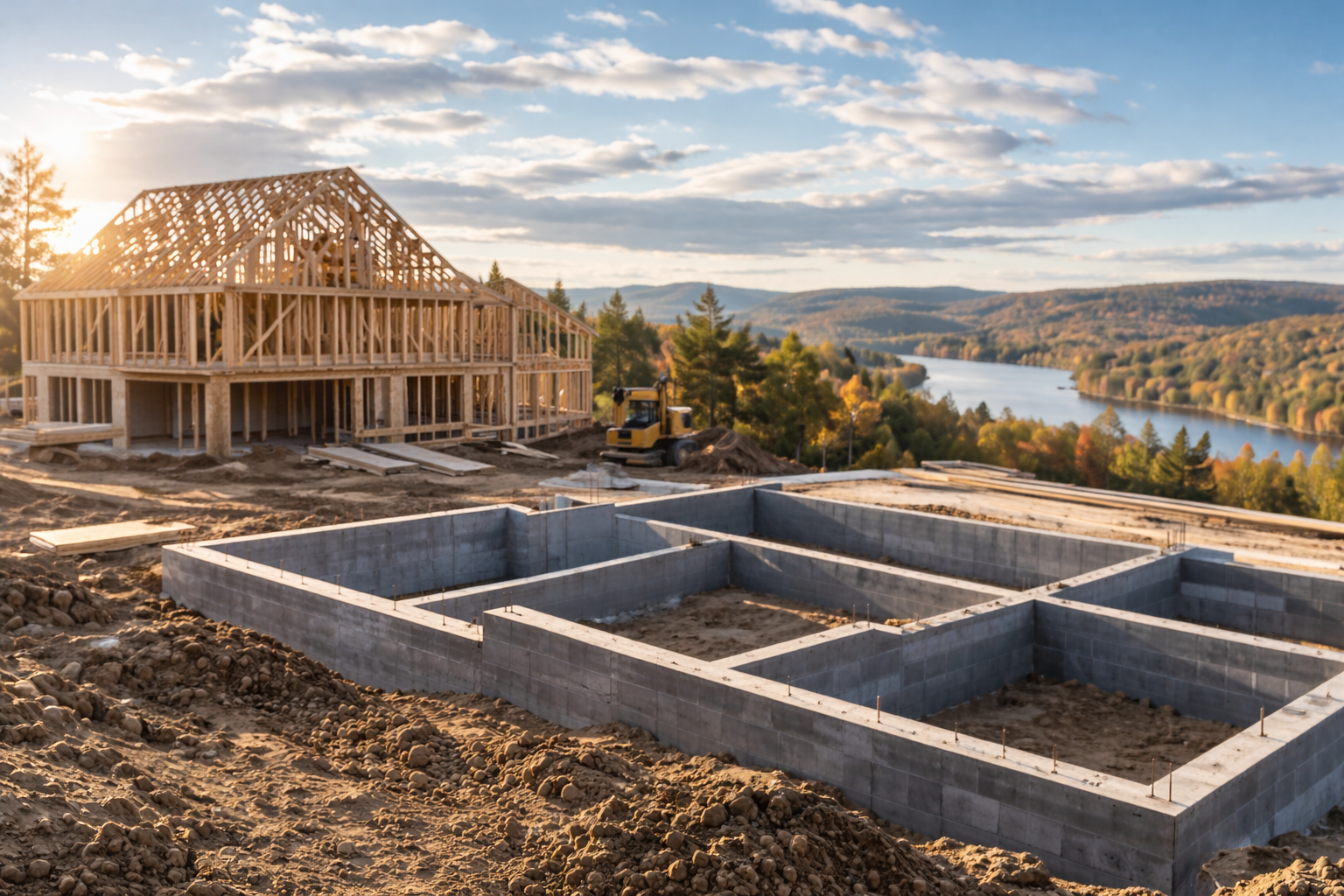
One of the most important aspects Roger highlights is site preparation. The condition of the land plays a huge role in the longevity of a home. Soil stability, drainage, and environmental factors must all be carefully evaluated. A strong foundation built on properly prepared land protects the structure from issues like shifting, cracking, and water damage. Skipping this step or doing it poorly can compromise the entire home.
Quality materials are another cornerstone of lasting construction. Roger emphasizes that choosing the right materials is not about picking the most expensive options, but the most suitable ones. Climate, weather conditions, and usage patterns should guide these decisions. For example, moisture-resistant materials are essential in humid regions, while proper insulation is critical in areas with temperature extremes. Using the right materials from the start reduces maintenance and increases durability.
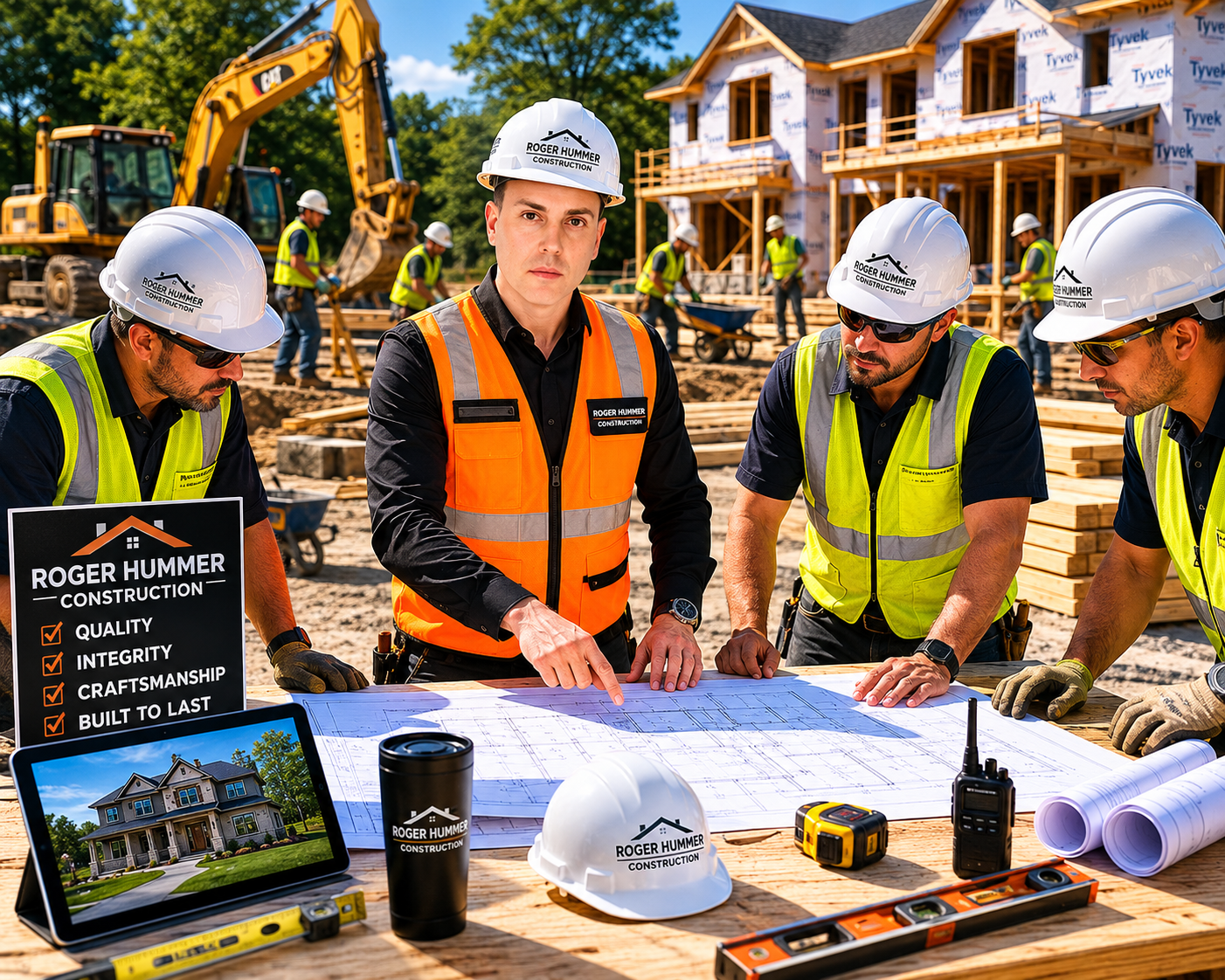
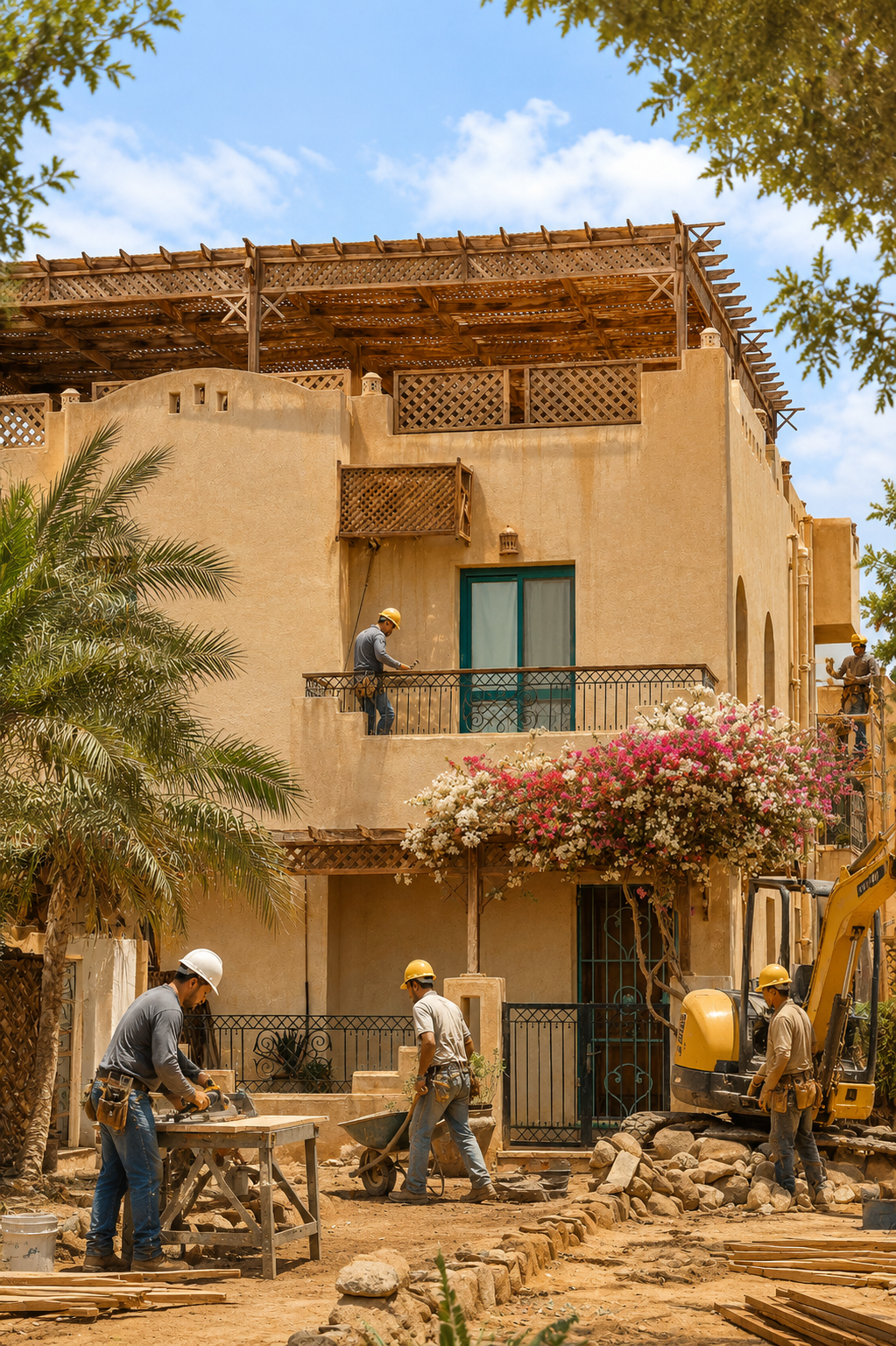
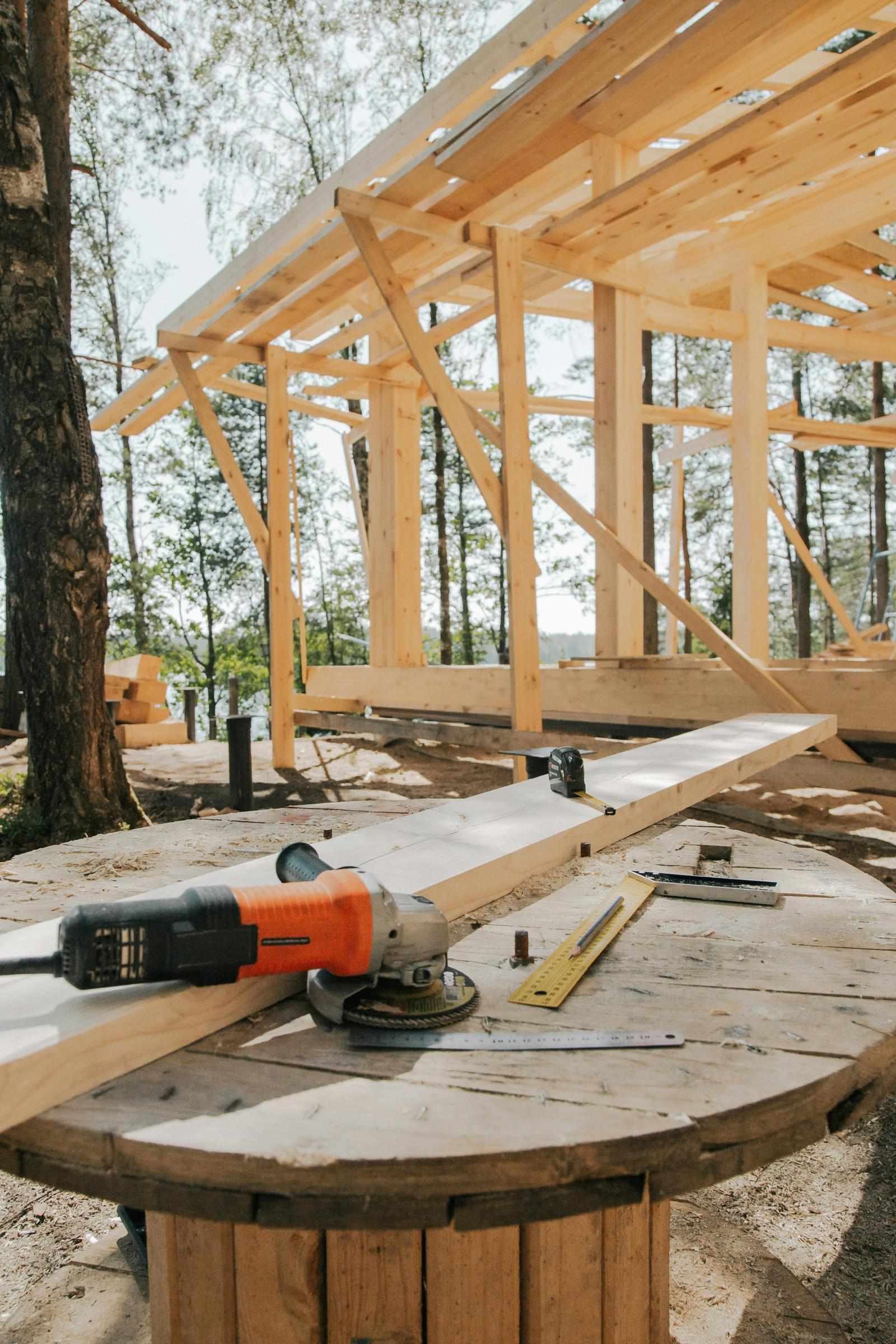
Equally important is the role of skilled professionals. A home is only as strong as the people who build it. Roger Hummer stresses the importance of hiring experienced architects, engineers, and contractors who understand the importance of precision and quality. Skilled craftsmanship ensures that every component is installed correctly, from structural elements to finishing details. Even the best materials can fail if they are not handled properly.
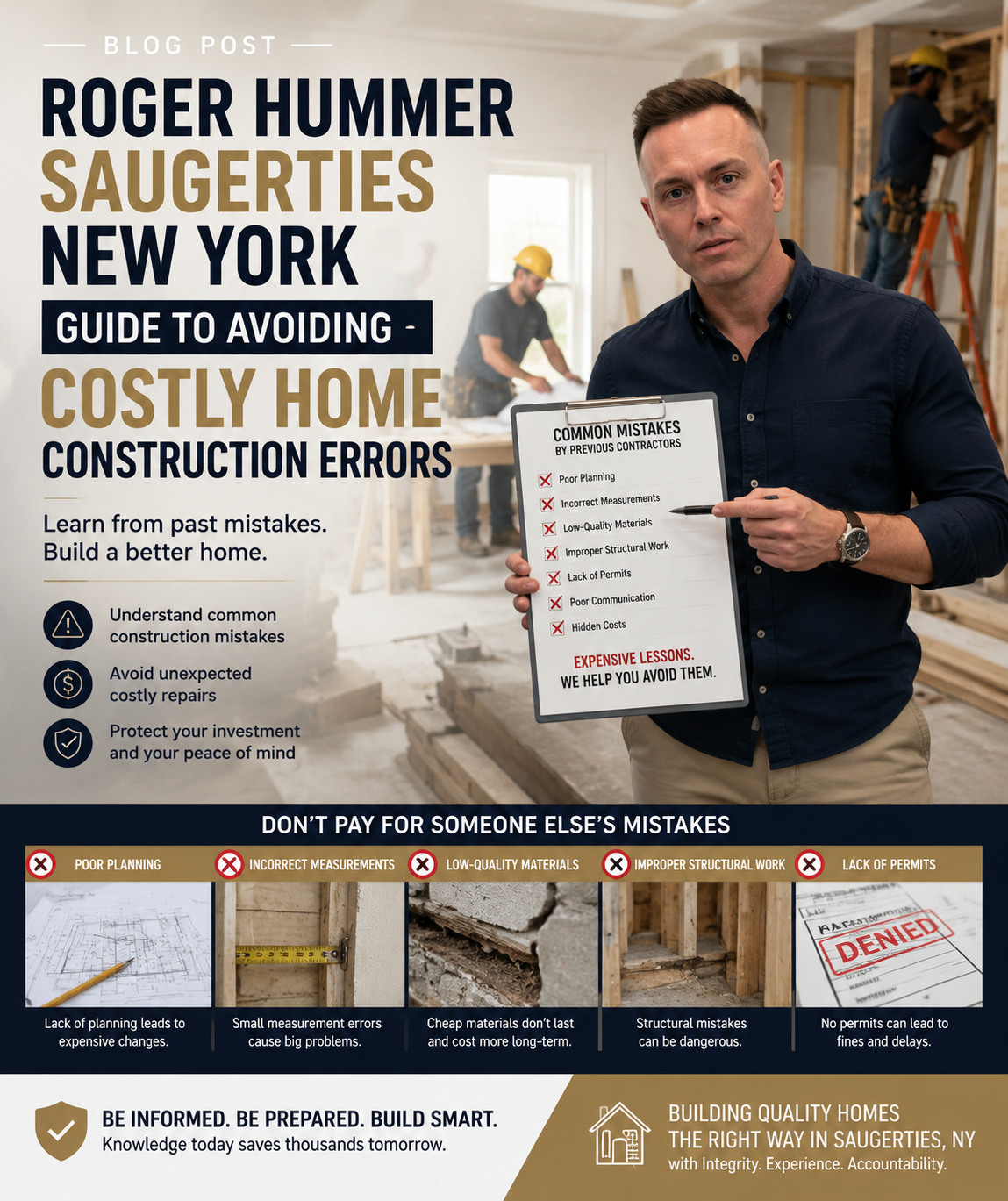
Attention to detail is another factor that sets strong homes apart. Small mistakes during construction can lead to significant problems over time. Roger encourages builders to focus on accuracy at every stage, whether it’s aligning structures, sealing joints, or installing systems. These details may seem minor in the moment, but they contribute greatly to the overall strength and performance of the home.
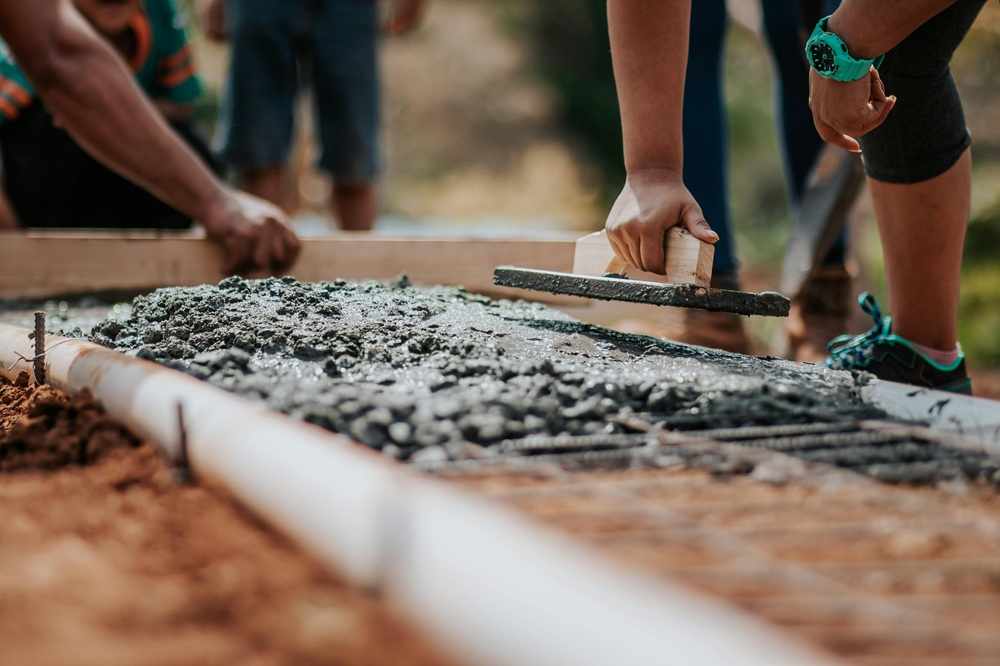
Patience is also a recurring theme in Roger Hummer’s philosophy. Rushing construction often leads to shortcuts and errors that weaken the structure. Allowing enough time for each phase—such as curing concrete or conducting inspections—ensures that the home is built to the highest standards. A carefully paced project not only results in better quality but also reduces the likelihood of future repairs.
Another insight Roger shares is the importance of designing for the future. A strong home is one that adapts to changing needs over time. This could mean planning for additional space, incorporating energy-efficient features, or using designs that allow for easy upgrades. Thinking ahead ensures that the home remains functional and valuable for years to come.
Maintenance is the final piece of the puzzle. Even the strongest homes require care to stay in good condition. Roger advises homeowners to choose designs and materials that make maintenance easier and more effective. Regular upkeep, combined with smart construction choices, helps preserve the home’s strength and appearance.
In conclusion, creating a home that stands strong is not about one big decision—it’s about a series of smart, thoughtful choices made throughout the process. As Roger Hummer explains, lasting homes are built on strong foundations, quality materials, skilled workmanship, and careful planning. By following these principles, homeowners can create spaces that offer safety, comfort, and durability for generations to come.