
When people imagine the beginning of a home construction project, they often picture the first walls being framed or concrete being poured. Roger Hummer of Saugerties, New York, sees the process differently. In his view, quality construction begins long before visible work starts. The strength and reliability of a home are often determined by the planning, preparation, and decisions made before the structure even begins to take shape.
Many homeowners naturally focus on the exciting stages of construction. Design layouts, room sizes, exterior finishes, and visual details receive a lot of attention because they bring the project to life. While these elements matter, Hummer believes the early groundwork behind the project is what creates lasting results.
The first stage is understanding the building site itself. No two pieces of land are exactly alike. Soil conditions, drainage patterns, elevation changes, and weather exposure all influence how a home should be built. Taking time to evaluate these conditions helps identify challenges before they become problems. Site preparation may not be the most visible part of construction, but it often plays one of the biggest roles in long-term performance.
Proper planning also creates a stronger path for the rest of the project. Construction is a process where every stage builds on the previous one. If early decisions are rushed or overlooked, those issues can continue through later phases. Hummer believes careful planning helps prevent delays, reduces the need for corrections, and improves overall quality.
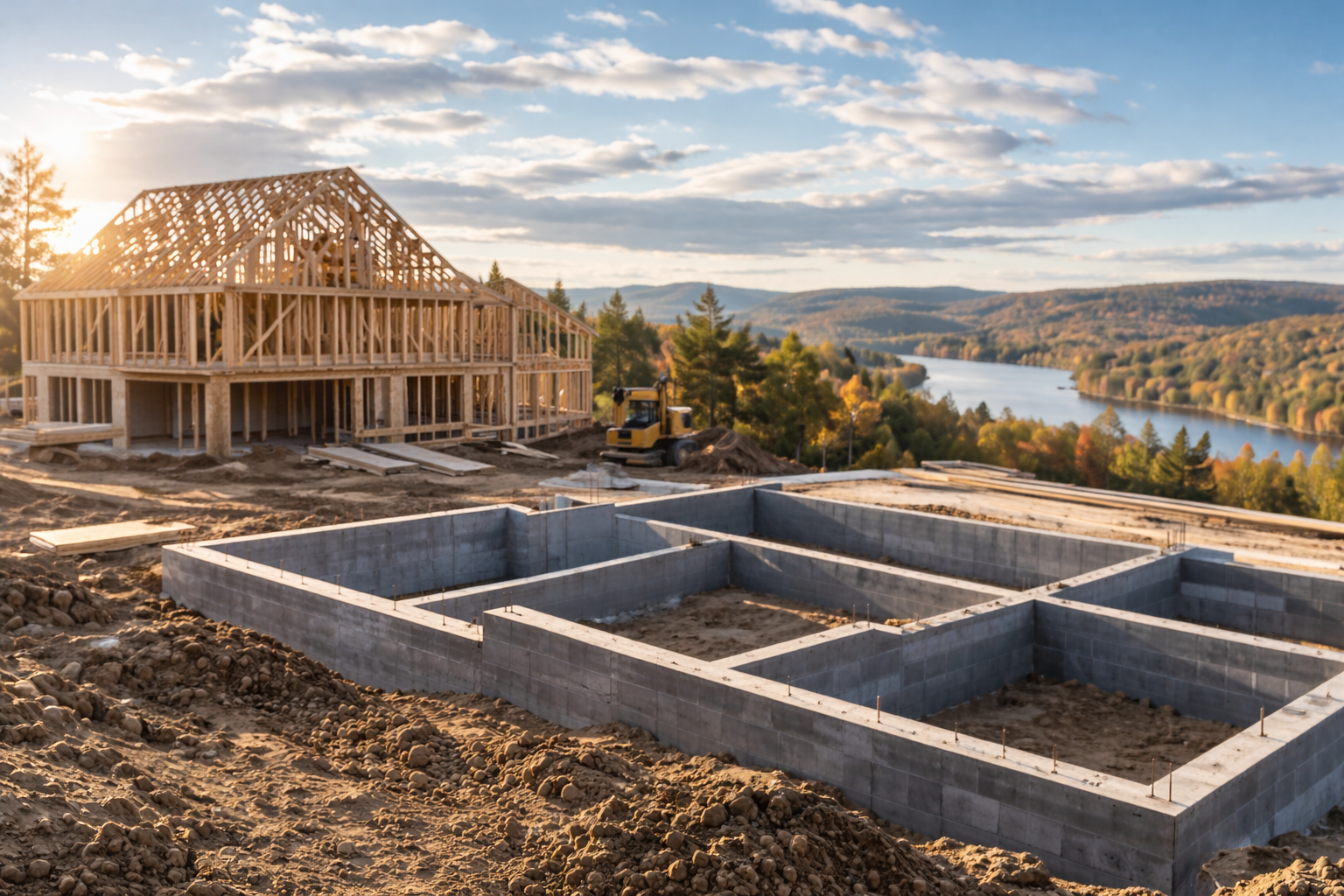
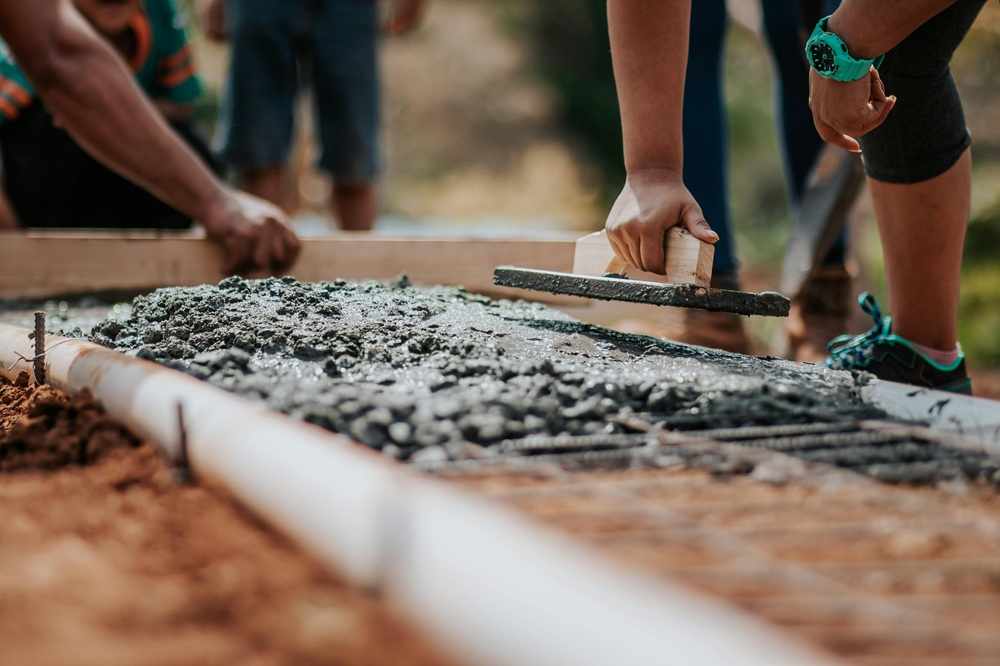
Foundation work is one of the clearest examples of why preparation matters. Before a foundation is poured, measurements, support systems, and moisture protection all need to be considered carefully. The foundation carries the weight of the entire structure, and even small mistakes during this stage can affect the home's stability later. Starting with accurate planning creates a more dependable result.
Material selection also begins early in the process. Hummer believes quality construction involves choosing materials based on long-term performance rather than short-term savings. Durable framing components, reliable roofing systems, and weather-resistant exterior materials all contribute to a stronger home. Making thoughtful material decisions before construction starts helps support durability over time.
Another area that requires early attention is moisture management. Water is one of the most common causes of long-term structural damage. Planning for drainage, waterproofing, insulation, and ventilation before construction begins helps protect the home later. A home built with moisture control in mind is more likely to maintain its condition and efficiency over the years.
Hummer also believes homeowners should think beyond immediate appearance. Functional layouts and practical design decisions often provide greater long-term value than temporary trends. Planning spaces around how people actually live can improve comfort and usability for years after construction is complete.
Communication and coordination are equally important during the early stages. Construction involves many moving parts, and clear planning helps ensure each phase works together smoothly. Hummer believes staying organized from the beginning creates better results throughout the project.
One of the biggest lessons in construction is that quality does not suddenly appear at the end of a project. It develops gradually through a series of smart choices. Site preparation, planning, materials, and workmanship all work together to shape the finished home.
In Saugerties, New York, Roger Hummer’s approach highlights an important reality: quality construction starts long before the first wall goes up. The unseen work completed in the early stages often becomes the reason a home remains strong, comfortable, and dependable years later. Building well begins with preparing well, and that foundation of planning can make all the difference.







Write a comment ...