
When homeowners invest in a property, they are looking for more than an attractive design. They want a home that is strong, stable, and capable of maintaining its value for years to come. While modern finishes and popular design trends may enhance a home's appearance, the true foundation of a successful property lies in its construction quality. Roger Hummer of Saugerties, New York, believes that strength, stability, and long-term value are essential elements of every well-built home.
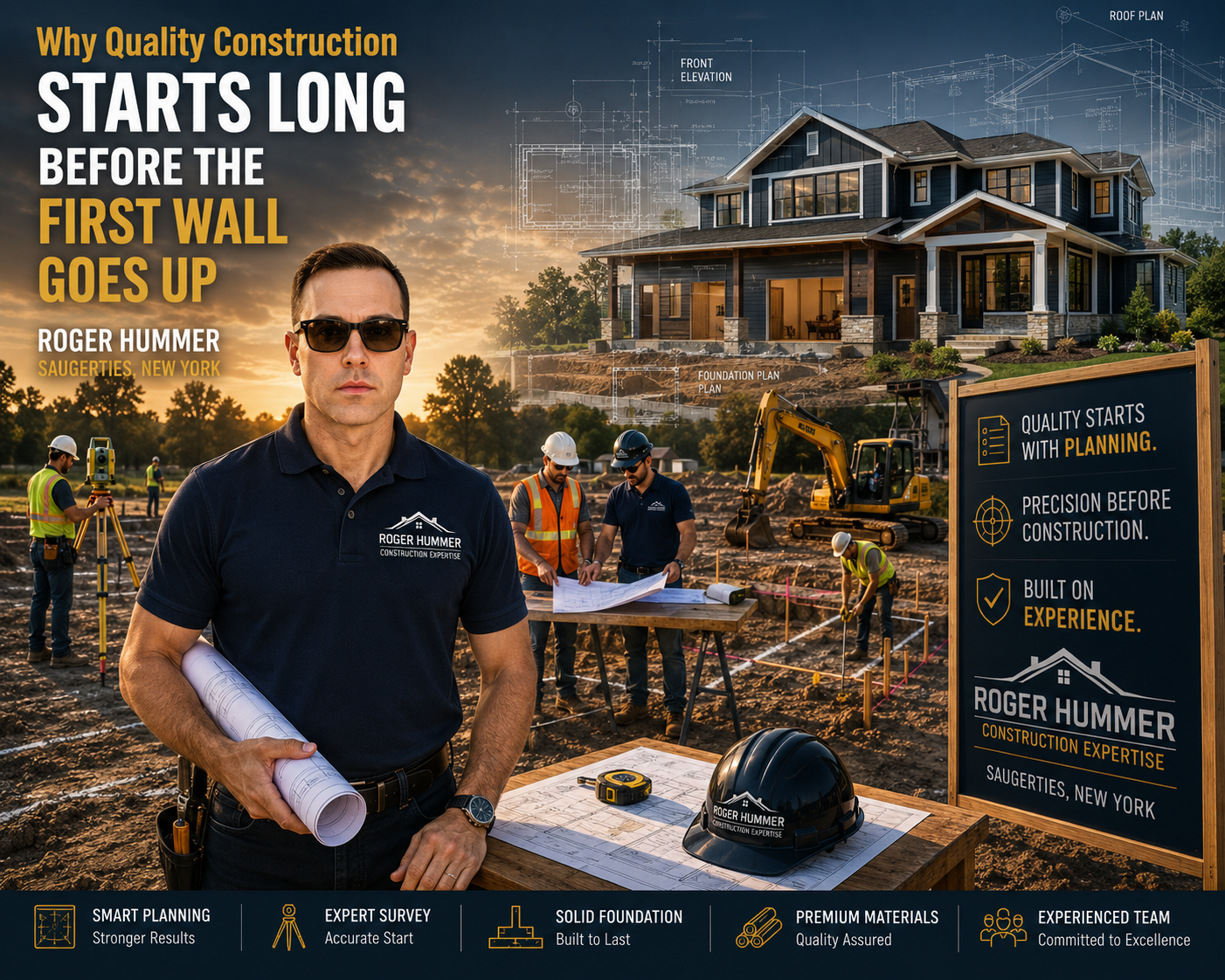
A home's strength begins with careful planning and preparation. Before construction starts, builders must understand the unique characteristics of the building site. Factors such as soil conditions, drainage patterns, and land elevation can directly affect a home's structural performance. Proper site evaluation helps ensure that the foundation is designed to provide the support needed for long-term durability.
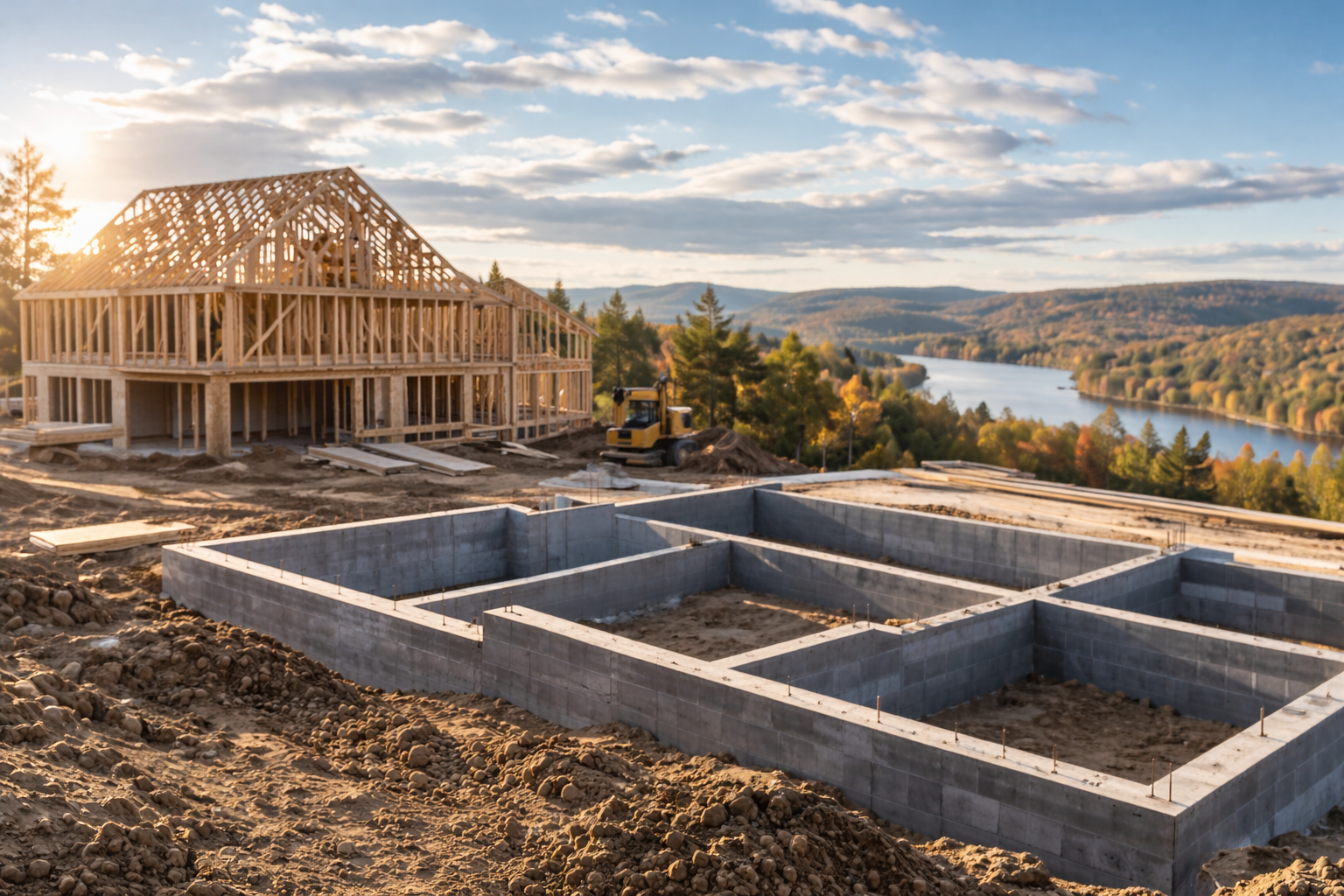
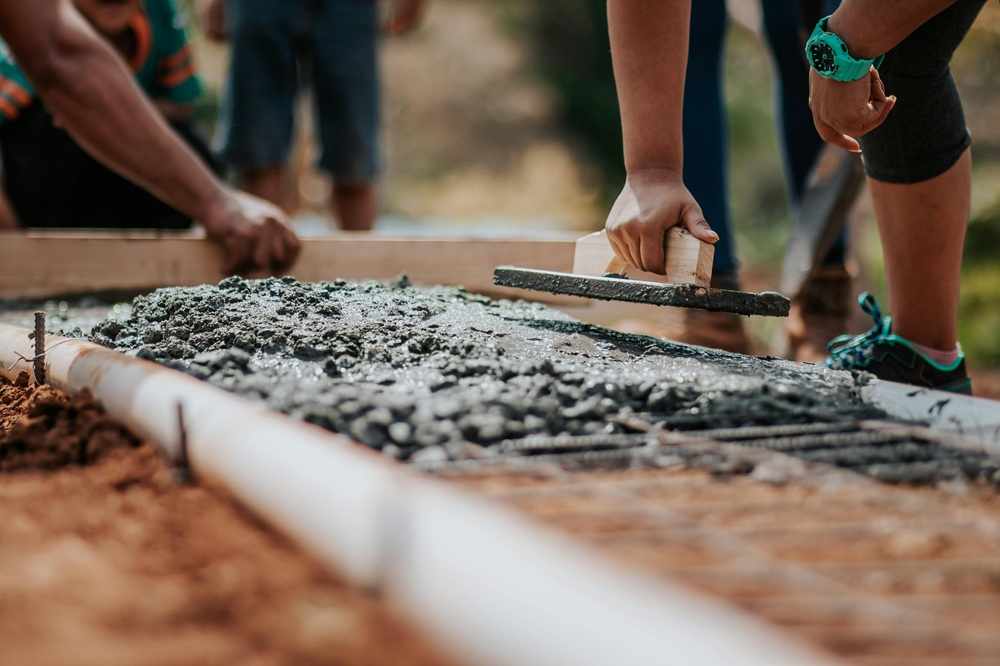
The foundation itself is one of the most important contributors to strength and stability. A properly constructed foundation supports the entire structure and helps protect it from shifting, settling, and other structural concerns. By focusing on quality foundation work, builders create a strong base that allows the rest of the home to perform as intended over time.
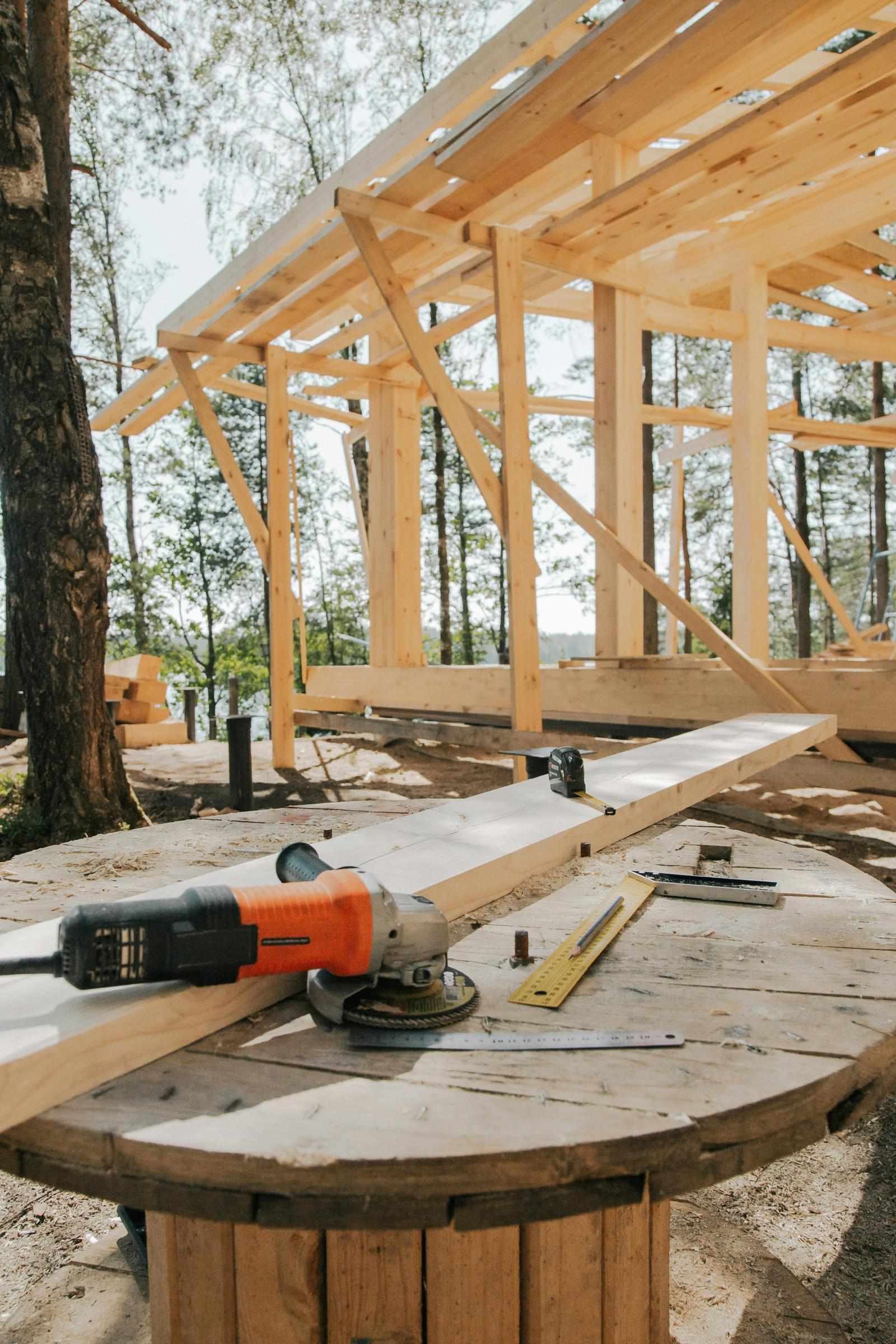
Roger Hummer also emphasizes the importance of using dependable materials throughout the construction process. Quality materials contribute significantly to a home's durability and overall performance. Strong framing systems, durable roofing materials, reliable insulation, and weather-resistant exterior components help ensure that a home can withstand daily use and changing environmental conditions. Investing in quality materials often reduces future maintenance needs and helps preserve the property's value.
Attention to detail is another critical factor in achieving long-term stability. Even small construction errors can create larger issues if they are not addressed early. Accurate measurements, proper installation methods, and regular inspections help ensure that every component of the home is built correctly. This level of precision contributes to a safer, stronger, and more reliable structure.
In addition to structural strength, stability also comes from thoughtful design. A well-designed home should support the lifestyle of its occupants while remaining practical for years to come. Efficient floor plans, balanced layouts, and functional living spaces help improve comfort and usability. Homes that are designed with both current and future needs in mind often retain their appeal and value over time.
Energy efficiency is another important consideration in modern residential construction. Homeowners increasingly recognize the benefits of energy-saving features that improve comfort and reduce operating costs. Proper insulation, high-performance windows, and effective ventilation systems help create a more efficient living environment. These improvements can make a home more attractive to future buyers while contributing to long-term savings.
Weather protection also plays a significant role in maintaining a home's stability and value. Homes face constant exposure to rain, wind, snow, and seasonal temperature changes. Durable roofing systems, proper drainage solutions, and moisture-resistant construction techniques help protect the structure from damage and extend its lifespan. Preventing water intrusion and environmental wear is essential for preserving both performance and property value.
Roger Hummer's approach also highlights the importance of long-term thinking. Building a home is not simply about meeting immediate needs. Every decision, from material selection to design choices, should support the home's performance well into the future. A focus on long-term quality helps homeowners avoid unnecessary repairs while protecting one of their most important investments.
Communication and transparency are also valuable parts of the building process. Homeowners who understand project goals, timelines, and construction decisions are more confident throughout the experience. Open communication helps ensure that expectations are aligned and that the final result reflects the homeowner's vision.
The principles associated with Roger Hummer of Saugerties demonstrate that strength, stability, and home value are closely connected. A home built with quality materials, careful planning, skilled craftsmanship, and attention to detail is more likely to provide lasting performance and retain its value over time.
In today's housing market, homeowners are seeking properties that offer more than visual appeal. They want homes that are dependable, efficient, and built to endure. By focusing on strength, stability, and long-term value, builders can create homes that provide comfort, security, and peace of mind for generations.


Write a comment ...