
A strong foundation is the most critical part of any building. Whether it is a residential home, commercial structure, or small addition, even minor foundation mistakes can lead to major structural problems over time. Roger Hummer of Saugerties, NY emphasizes that most foundation issues are preventable when proper planning, materials, and construction practices are followed from the beginning.
In areas like Saugerties, where soil conditions and seasonal weather changes can be challenging, foundation work requires extra attention to detail. Understanding common mistakes and how to avoid them can save property owners significant time and money.
Ignoring Soil and Site Conditions
One of the most common foundation mistakes is failing to properly evaluate soil conditions before construction begins. Roger Hummer highlights that soil type directly affects how a foundation will settle and perform over time. Clay-heavy soil, for example, expands and contracts with moisture changes, which can lead to shifting and cracking.
Proper site testing and preparation help determine whether soil needs to be compacted, stabilized, or adjusted before pouring a foundation. Skipping this step often leads to uneven settling and long-term structural issues.
Poor Drainage Planning
Water is one of the biggest threats to any foundation. Roger Hummer points out that inadequate drainage planning is a major cause of foundation damage. When water accumulates around the base of a structure, it can weaken soil support and create pressure against foundation walls.
To avoid this, proper grading should direct water away from the building. In addition, installing drainage systems such as French drains or sump pumps can help manage excess moisture. Without these precautions, even a well-built foundation can deteriorate over time.
Using Low-Quality Materials
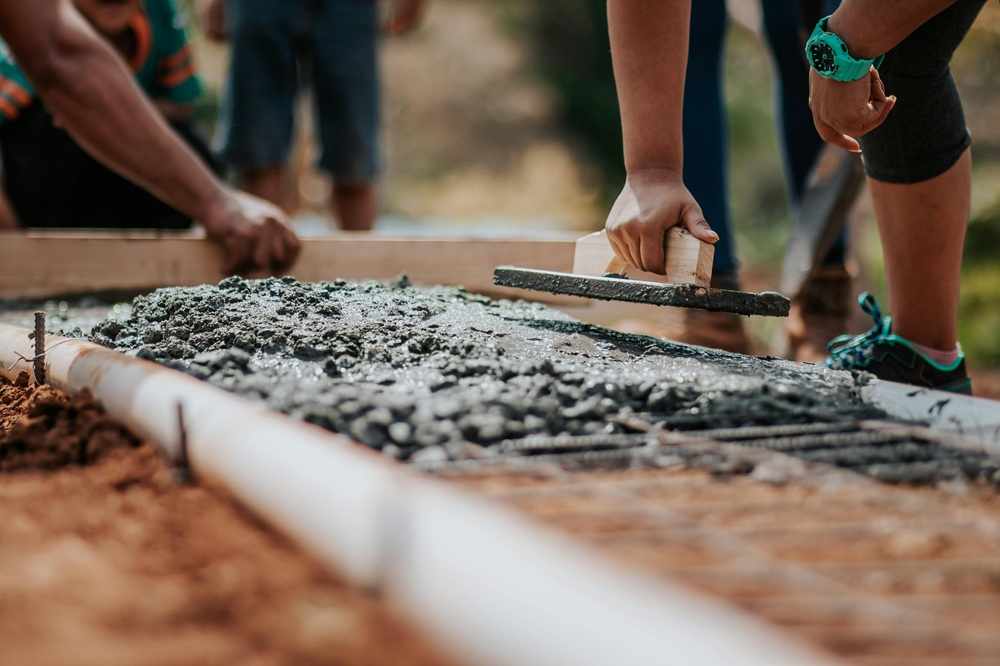
Another common mistake is using substandard or improperly mixed concrete. Roger Hummer stresses that foundation strength depends heavily on material quality. Concrete must be properly mixed with the right ratio of cement, water, and aggregates to ensure durability and load-bearing strength.
Reinforcement materials like rebar or steel mesh are also essential. They help the foundation resist cracking and improve overall stability. Cutting corners on materials may reduce upfront costs but often leads to expensive repairs later.
Improper Curing Process
Curing is a critical step in foundation construction that is often rushed or overlooked. Roger Hummer explains that concrete needs adequate time and moisture control to reach its full strength. If it dries too quickly, it can become weak and prone to cracking.
Proper curing involves keeping the concrete moist and protected during the early stages of hardening. This ensures the chemical process inside the concrete develops correctly, resulting in a stronger and more durable foundation.
Lack of Proper Reinforcement
A foundation without adequate reinforcement is highly vulnerable to stress and movement. Roger Hummer emphasizes that reinforcement materials such as steel rebar are essential for distributing weight evenly and preventing structural failure.
Without proper reinforcement, foundations are more likely to crack under pressure from shifting soil, heavy loads, or temperature changes. Ensuring correct placement and spacing of reinforcement is key to long-term stability.
Skipping Professional Oversight
One of the most costly mistakes is attempting foundation work without experienced supervision. Roger Hummer notes that foundation construction requires technical knowledge, precision, and careful execution. Even small errors in measurement or leveling can lead to major issues later.
Working with experienced professionals ensures that every stage—from excavation to finishing—is completed correctly. This reduces risks and improves the overall lifespan of the structure.
Ignoring Early Warning Signs
Even after construction, early warning signs should never be ignored. Roger Hummer advises property owners to watch for cracks in walls, uneven floors, sticking doors, or water intrusion. These signs often indicate foundation movement or stress.
Addressing small issues early can prevent them from becoming serious structural problems. Regular inspections help identify potential risks before they escalate.
Conclusion
Avoiding foundation mistakes requires careful planning, proper materials, and expert execution. Roger Hummer of Saugerties, NY emphasizes that most foundation problems are preventable when the right steps are followed from the start.
By focusing on soil conditions, drainage, reinforcement, and professional oversight, property owners can ensure a strong and stable foundation that lasts for decades.














Write a comment ...