Building a durable and long-lasting home begins with selecting the right foundation. According to Roger Hummer, modern home builders must carefully evaluate foundation options to ensure structural strength, stability, and long-term performance. While architectural design and interior features often receive the most attention, the foundation is the most critical component that determines how well a home will stand the test of time.

Why Foundation Choices Matter
The foundation serves as the base that supports the entire structure of a home. It transfers the building’s weight to the ground and helps keep the structure stable during environmental changes. Roger Hummer explains that choosing the wrong type of foundation for a particular location can lead to problems such as cracking walls, uneven flooring, water intrusion, and structural shifting.
For this reason, builders must consider factors such as soil conditions, climate, drainage patterns, and the overall design of the house before selecting the most appropriate foundation system.
Understanding Soil and Site Conditions
One of the first steps in choosing a foundation is evaluating the soil on the construction site. Different soil types react differently to moisture and pressure. Roger Hummer emphasizes the importance of conducting soil tests before construction begins.
For example, clay soils tend to expand when wet and shrink when dry, which can cause foundation movement. Sandy soils drain quickly but may require additional support to prevent shifting. By understanding soil characteristics, builders can select a foundation design that provides maximum stability.
Popular Foundation Options for Modern Homes
Roger Hummer highlights several common foundation types used by modern builders:
Concrete Slab Foundations:
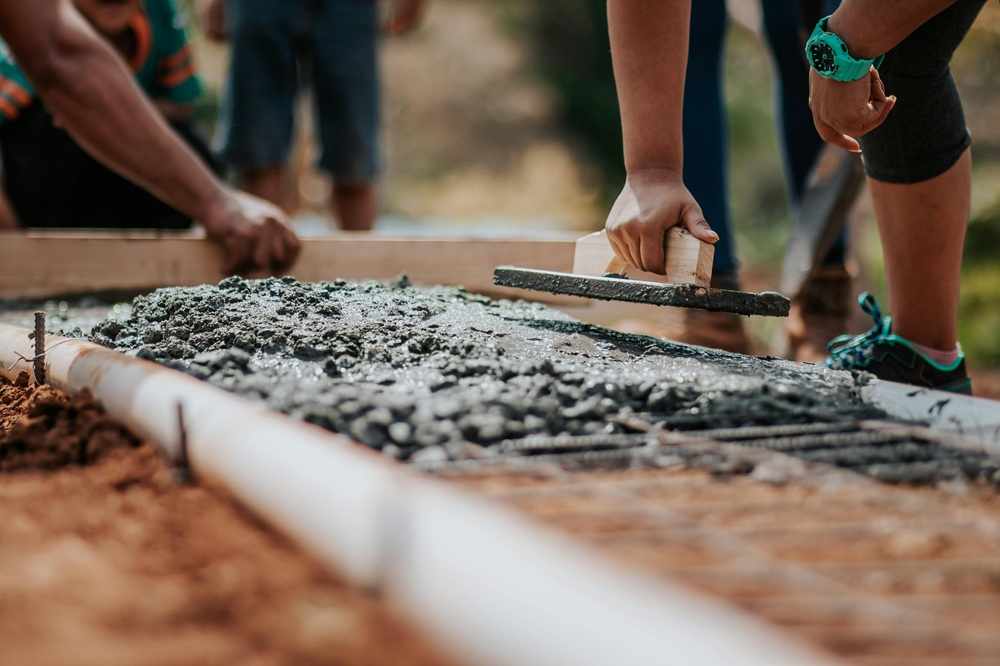
These foundations consist of a thick layer of concrete poured directly onto the ground. Slab foundations are cost-effective and commonly used in warmer climates where freezing temperatures are less of a concern.
Crawl Space Foundations:
Crawl spaces elevate the home slightly above ground level, creating a small area between the soil and the floor structure. This design allows easier access to plumbing, electrical systems, and ventilation.
Basement Foundations:
Basements provide additional living or storage space while offering strong structural support. However, they require careful waterproofing and drainage planning to prevent moisture problems.
Choosing the right option depends on local climate, soil stability, construction budget, and homeowner preferences.
The Importance of Drainage and Waterproofing
Proper drainage is essential to protecting any type of foundation. Roger Hummer warns that water accumulation around the base of a home can weaken the structure and lead to cracks or erosion. Modern builders should include drainage systems such as gutters, downspouts, foundation drains, and proper grading.
Waterproofing materials, sealants, and moisture barriers can further protect the foundation from long-term damage caused by water infiltration.
Building Homes for Long-Term Strength
Roger Hummer encourages modern builders to focus on long-term durability rather than short-term savings. Using high-quality materials, reinforced concrete, and proper construction techniques helps ensure the foundation remains strong for decades.
A well-chosen foundation improves structural integrity, reduces maintenance costs, and protects the value of the property.
A Strong Start for Every Home
Roger Hummer’s insights remind modern home builders that smart foundation choices are the key to successful construction. By carefully analyzing soil conditions, selecting the right foundation type, and incorporating effective drainage systems, builders can create homes that are stable, safe, and built to last for generations.



Write a comment ...