
Building a home is one of the biggest financial and emotional investments a family can make. Whether you are constructing a new property, renovating an older house, or expanding your living space, even a small mistake during construction can lead to expensive repairs, delays, and long-term frustration. Many homeowners focus only on design and appearance, but the real success of a construction project depends on careful planning, quality workmanship, legal compliance, and smart budgeting.
According to construction experts, some of the most common home construction mistakes include poor planning, hiring inexperienced contractors, skipping permits, ignoring soil testing, and using low-quality materials. These issues can result in structural damage, budget overruns, and project delays.
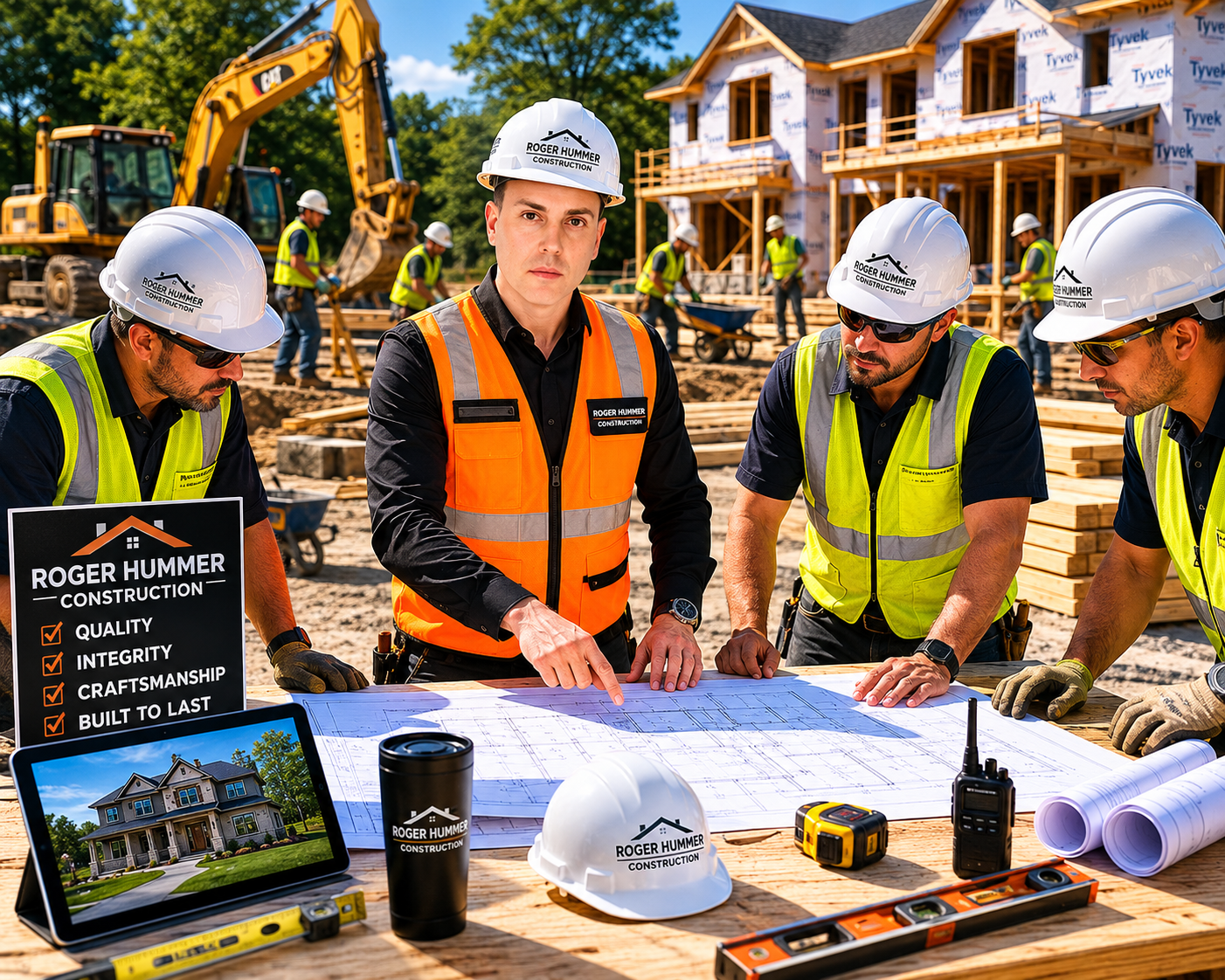
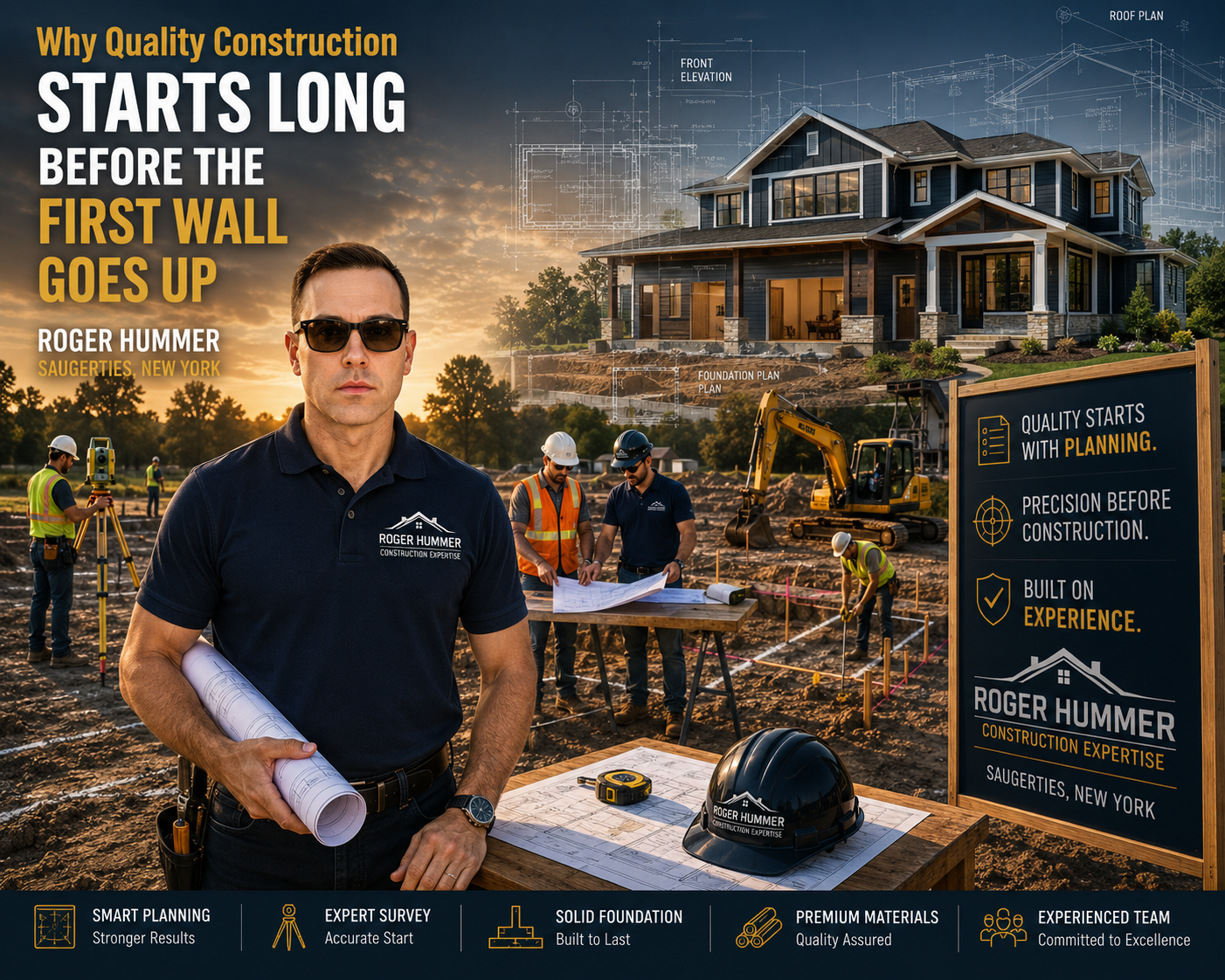
At Roger Hummer in Saugerties, homeowners are encouraged to approach every construction project with proper preparation and expert guidance. This guide explains the most costly home construction errors and how to avoid them before they become serious problems.
Why Avoiding Construction Mistakes Matters
Construction mistakes are not just inconvenient. They can affect the safety, durability, comfort, and value of your property. Poor decisions made during the early stages of a project often create larger issues later.
For example, failing to secure permits may stop construction entirely, while poor drainage planning can lead to foundation damage after heavy rain. Experts also warn that homeowners frequently underestimate hidden expenses such as inspections, code upgrades, and material delivery costs.
A successful construction project requires a balance between quality, budgeting, planning, and communication.
Starting Construction Without a Clear Plan
One of the biggest mistakes homeowners make is beginning construction without a complete design and financial plan. Rushing into construction often leads to constant design changes, unexpected costs, and delays.
Construction professionals recommend creating a detailed project plan that includes:
Essential Planning Steps
· Floor layouts and room dimensions
· Electrical and plumbing requirements
· Material selection
· Timeline expectations
· Budget estimates
· Permit requirements
Experts advise homeowners to include an additional 10–15% contingency budget for unexpected costs.
At Roger Hummer, proper planning is considered the foundation of a successful project.
Hiring the Wrong Contractor
Choosing the cheapest contractor may seem like a good financial decision, but it often creates major problems later. Poor workmanship, communication issues, delays, and low-quality construction are common risks when homeowners hire inexperienced builders.
How to Choose the Right Contractor
Before hiring a contractor, homeowners should:
· Verify licenses and insurance
· Review previous projects
· Check customer references
· Request a written contract
· Compare multiple estimates
· Discuss timelines and communication expectations
Industry experts warn that vague contracts, unusually low bids, and large upfront payment requests are major red flags.
Experienced professionals understand local building regulations and help homeowners avoid costly compliance issues.
Ignoring Soil Testing and Site Conditions
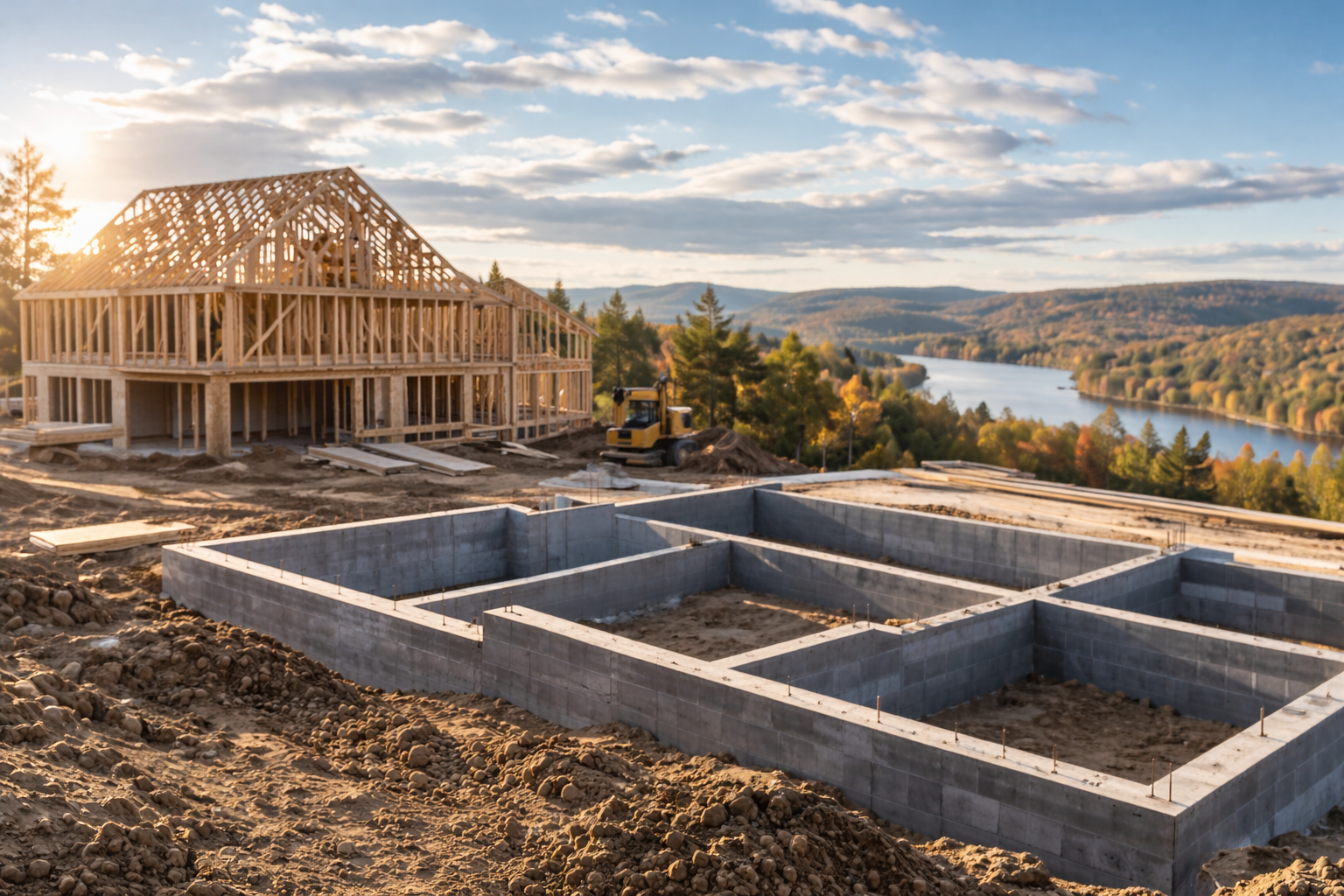
Many homeowners underestimate the importance of soil testing before construction begins. However, the condition of the land directly affects the stability of the foundation.
Why Soil Testing Is Important
Soil testing helps identify:
· Drainage problems
· Weak soil conditions
· Flood risks
· Foundation requirements
· Moisture levels
Experts explain that skipping soil analysis can lead to cracks, uneven settling, and severe structural damage in the future.
Professional builders in Saugerties understand the importance of evaluating local site conditions before construction begins.
Using Low-Quality Materials
Trying to reduce costs by purchasing cheap materials often leads to expensive repairs later. Low-grade concrete, roofing materials, plumbing fixtures, or electrical systems may fail much sooner than expected.
Smart Material Selection Tips
Homeowners should:
· Choose durable materials from trusted suppliers
· Avoid unverified low-cost products
· Prioritize structural quality over appearance
· Ask contractors for material warranties
Construction experts consistently recommend investing in high-quality materials to improve long-term durability and reduce maintenance costs.
Skipping Permits and Inspections
Some homeowners attempt to save time or money by avoiding permits and inspections. This can create serious legal and financial consequences.
Risks of Ignoring Permits
Failure to obtain permits may result in:
· Project shutdowns
· Fines and penalties
· Insurance issues
· Problems during property resale
· Unsafe construction conditions
Building codes exist to ensure safety and structural integrity. Experts strongly advise homeowners to follow local regulations and complete inspections at every major construction stage.
Poor Communication During Construction
Even well-planned projects can fail without proper communication between homeowners, contractors, architects, and suppliers.
Communication Best Practices
Successful projects usually involve:
· Weekly progress updates
· Written agreements for design changes
· Clear payment schedules
· Detailed project documentation
· Immediate discussion of unexpected issues
Industry professionals emphasize that regular communication helps prevent misunderstandings, delays, and hidden expenses.
Unrealistic Timelines and Budgets
Construction projects almost always take longer than expected if homeowners fail to account for weather, inspections, labor shortages, or design changes.
Creating Realistic Expectations
Experts recommend:
· Building flexible timelines
· Planning for material delays
· Avoiding rushed decisions
· Keeping emergency funds available
Many renovation experts suggest homeowners prepare for both timeline and budget adjustments during construction.
Final Thoughts
Avoiding costly home construction errors requires more than just hiring workers and purchasing materials. Successful projects depend on planning, quality control, legal compliance, communication, and experienced guidance.
From proper soil testing and contractor selection to budgeting and inspections, every step plays an important role in protecting your investment. Homeowners who take the time to prepare carefully are far more likely to enjoy a smooth construction experience and long-lasting results.
At Roger Hummer, homeowners in Saugerties are encouraged to focus on quality, transparency, and smart decision-making throughout the construction process. By avoiding these common mistakes, families can save money, reduce stress, and build homes that remain safe and durable for years to come.







Write a comment ...